

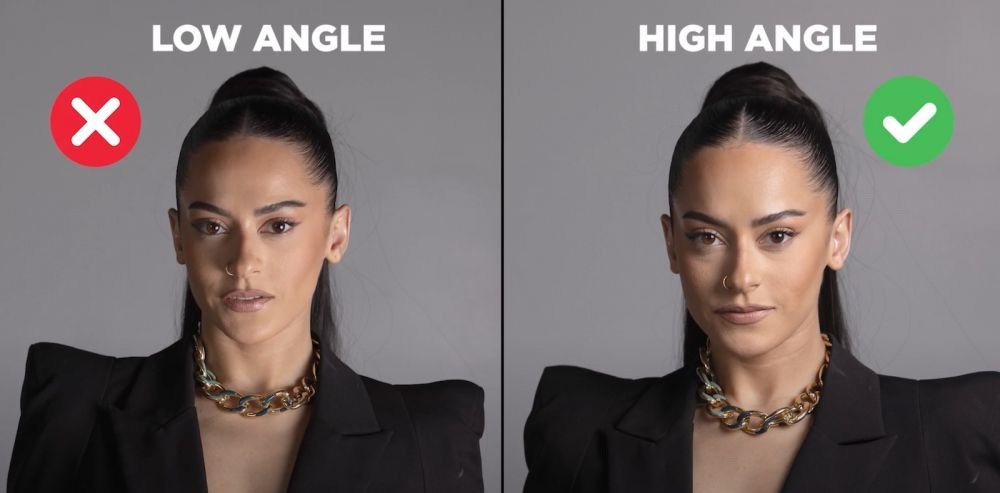
A face can look perfect on its own and still fail inside a scene.
That’s the part many people overlook. When viewers look at a visual, they don’t isolate the face. They experience the entire composition at once. If lighting or angles don’t match, something feels off immediately. Most viewers won’t explain why. They’ll just scroll.
Face swap has reached a point where realism is expected. That means small details like light direction, shadow softness, and camera perspective now matter more than ever.
This isn’t just technical polish. It’s what decides whether a visual feels believable or artificial.
The Eye Detects Inconsistency Faster Than You Think
Human perception is extremely sensitive to visual inconsistencies.
Even if someone isn’t trained in design or photography, their brain can quickly detect when:
- Light is coming from two different directions
- Shadows don’t align with the environment
- Facial angles don’t match the body or scene
These mismatches create subtle discomfort. The viewer may not consciously notice it, but they feel it. That feeling reduces trust and engagement.
Face swap has evolved to minimize these inconsistencies, but lighting and angles still need to align for the final output to work.
Lighting Is What Makes a Face Belong to a Scene
Lighting is not just about brightness. It defines depth, mood, and realism.
When a face is placed into an image or video, the lighting needs to match the environment perfectly:
- Warm vs cool tones
- Direction of light source
- Intensity and shadow contrast
- Reflection on skin
If these elements don’t match, the face appears “pasted” rather than integrated.
Face Swap within Higgsfield helps maintain lighting coherence by preserving how light interacts with the face, making it blend naturally into different scenes.
That’s what makes the result feel real rather than edited.
Angles Define Perspective and Believability
Lighting sets the mood, but angles define structure. If the angle of the face does not match the body or camera perspective, the illusion breaks instantly.
For example:
- A front-facing face on a side-profile body
- A slightly tilted head placed on a straight posture
- Mismatched eye line with the scene
These small inconsistencies are enough to disrupt realism. Face swap works best when angle alignment is accurate. The closer the match between source and target, the more seamless the final output becomes.
Inside Higgsfield, creators can refine these details to ensure that the face aligns properly with the scene’s perspective.
Why Precision Matters More Now Than Before
Earlier versions of digital editing allowed for minor imperfections. Audiences were more forgiving because expectations were lower. That’s no longer the case.
Viewers today are used to high-quality visuals. They expect:
- Consistent lighting
- Accurate perspective
- Natural blending
Even small mistakes stand out.
Face swap technology has improved significantly, which means the margin for error is smaller. Lighting and angle mismatches are now more noticeable because everything else looks so refined.
The Connection Between Realism and Trust
Visual trust is built on subtle details. When lighting and angles align correctly, the viewer doesn’t question the image. They accept it as real or at least believable.
When they don’t align, trust drops instantly.
This is especially important in:
- Marketing visuals
- Personal branding content
- Product demonstrations
- Social media storytelling
Face swap plays a role in maintaining that trust by ensuring the face integrates naturally into the scene.
Higgsfield helps creators achieve this consistency without needing complex manual adjustments, which makes high-quality output more accessible.
Movement Makes It Even More Critical
Static images require alignment, but motion content raises the stakes.
In videos, lighting and angles need to remain consistent across frames. Any shift or mismatch becomes more noticeable.
Face swap in motion needs to account for:
- Changing light conditions
- Movement of the subject
- Camera transitions
When combined with advanced AI video generation, maintaining this consistency becomes even more important. The goal is to ensure that the face remains stable and realistic throughout the sequence, not just in a single frame.
Practical Ways Creators Are Improving Results
Creators who get the best results from face swap focus heavily on preparation.
They pay attention to:
- Matching lighting conditions between source and target images
- Choosing reference images with similar angles
- Avoiding extreme perspective differences
- Maintaining consistent resolution and quality
These steps might seem small, but they significantly improve the final output.
Higgsfield provides the flexibility to experiment with these variables, allowing creators to fine-tune their visuals without starting from scratch.
Why “Good Enough” No Longer Works
There was a time when slightly off visuals were acceptable.
Now, “good enough” often isn’t enough. Audiences are consuming content faster, and competition is higher. If a visual feels even slightly unnatural, it loses its impact.
Face swap has raised the standard. It is no longer just about replacing a face. It is about making that replacement invisible. Lighting and angles are the foundation of that invisibility.
The Creative Advantage of Getting It Right
When lighting and angles are handled properly, the benefits go beyond realism.
Content becomes:
- More engaging
- More professional
- More trustworthy
- More consistent across formats
This gives creators a clear advantage. Instead of focusing on fixing visual issues, they can focus on storytelling, messaging, and creativity. Higgsfield enables this shift by handling much of the technical complexity behind the scenes.
The Future of Visual Precision
As face swap continues to evolve, expectations will only increase.
Future content will demand:
- Perfect lighting integration
- Seamless angle alignment
- Real-time adaptability
Creators who understand these fundamentals now will be better prepared for what’s coming next.
Face swap is no longer just a tool. It’s part of a broader shift toward highly precise visual content creation.
Conclusion
Lighting and angles might seem like small details, but they carry a huge impact. They determine whether a face feels like it belongs in a scene or stands out as artificial. In face swap, that difference defines success or failure.
Higgsfield gives creators the ability to manage these details with greater control and consistency, making it easier to achieve realistic results. The takeaway is simple. If the lighting matches and the angles align, the content works. If they don’t, nothing else can fully fix it.
And that’s why these details matter more now than ever.