

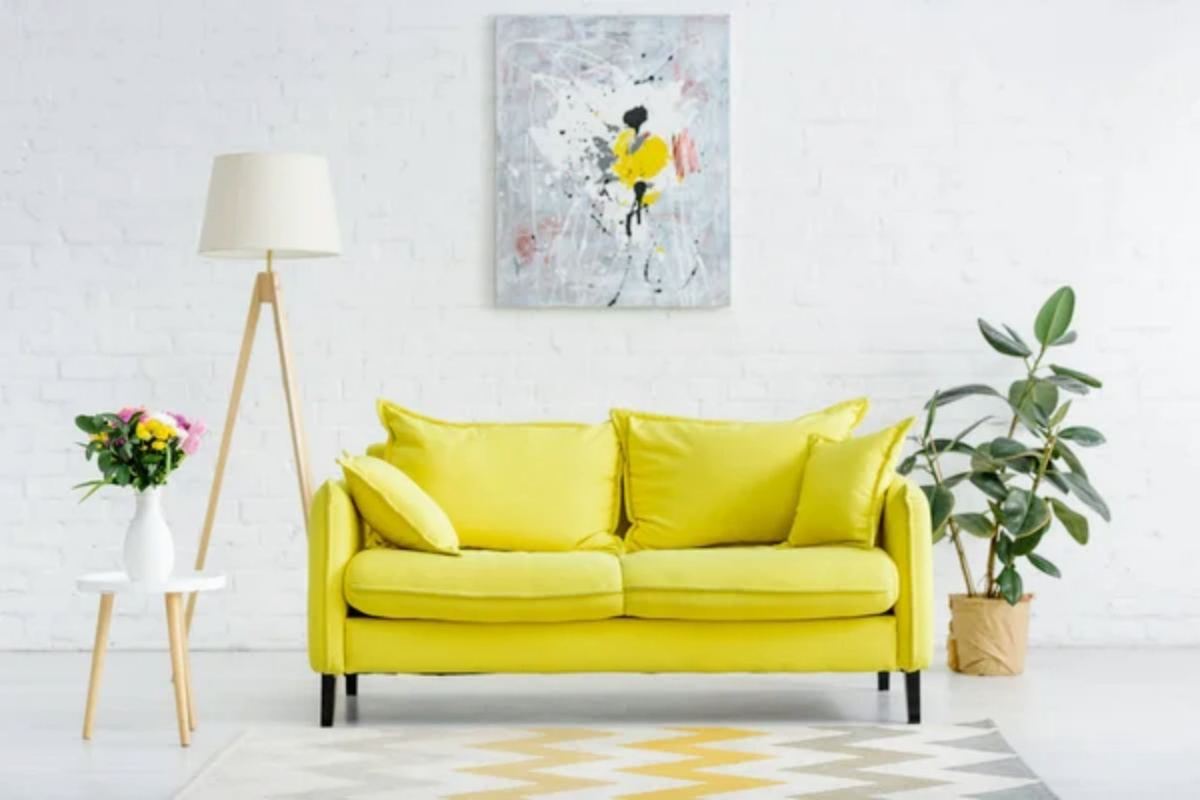
I suspect many people haven’t really given this question much thought—and to be honest, I hadn’t either. In fact, if you’d asked me this a few years ago, I probably would’ve told you that you don’t necessarily need to hang artwork at home.
Back then, I’d just moved into my new place. The renovations were finished, the furniture was all set up, and I even thought bare walls looked pretty good—clean and tidy, with a crisp, uncluttered feel.
But after living there for a while, I gradually started to feel that something was off. Nothing was broken, and nothing looked bad—it was just that the home felt… too “finished,” lacking a certain warmth and vitality. Lying on the couch scrolling through my phone, I always felt a sense of emptiness; even when I came out from the kitchen after cooking, something just didn’t feel right.
Later, it dawned on me: the problem was the walls—they were just too bare. To be more specific, what was missing was something like a decorative painting. It’s not just something hanging there; it adds warmth and depth to the space, making the home feel more like a home.
Bare walls may look clean, but they can easily make a home feel “soulless.”
I think a lot of people feel this way, they just haven’t voiced it. Right after moving in, the white walls look pristine and make for great photos. But once you actually start living there, you gradually sense something’s off—it’s not messy, nor is it ugly, it’s just… an indescribable emptiness, as if there’s no focal point.
I eventually realized that, at the end of the day, the human eye needs a place to rest. If a space lacks a spot where your gaze can settle, your eyes will keep drifting, feeling disoriented. Over time, this becomes exhausting. That’s where decorative art comes in: it gives your eyes a place to pause. It’s that simple—you won’t feel tired anymore because your eyes have a place to rest.
The first hidden benefit of decorative art: it brings stability to a space.
This is something I only gradually came to understand later.
Before I hung any art, the layout of my home felt disjointed. The living room had everything it needed—a sofa, a coffee table, a TV wall—but something just didn’t feel right. There was no focal point to capture my attention.
Then one day, I casually hung a piece of art on the wall that a friend had given me as a housewarming gift, but I’d never gotten around to displaying it. Believe it or not, the change was actually quite noticeable. It wasn’t anything dramatic, like the house had just been redecorated, but rather a subtle shift—the entire space felt different, with a greater sense of substance and atmosphere.
Now, when I lean back on the sofa, I find myself wanting to linger a little longer, unlike before when my eyes were constantly searching for something to focus on.
Later, I learned that this effect is actually quite common in interior design, yet many people overlook it and don’t take decorative art seriously.
The second hidden benefit: It changes your psychological perception of “home.”
This benefit might sound a bit baffling at first—after all, a home is a home; how could a single piece of art really change that?
But it really does make a difference. Take a living room, for example: whether it has a decorative painting or not, your mood when you come home changes. Without a painting, the living room feels like just a functional space—a place to live, a place to hang out. But once you hang the right painting, that space becomes a personal emotional sanctuary, making you more willing to relax.
There was a period when I was under a lot of stress and felt exhausted every time I came home. After changing the artwork, I found it much easier to relax. It wasn’t that anything major had changed in the house; it was just that the atmosphere became softer, and my mindset softened along with it.
I can’t quantify this with data, but every day when I walk through the door, I know it in my heart.
The Third Hidden Benefit: It Quietly Enhances the “Quality” of Your Home
There’s another point that many people haven’t really noticed. We often think that whether a home feels high-quality depends on whether the sofa is leather, the floors are solid wood, or the lighting is sophisticated enough.
But in reality, decorative art carries significant visual weight—it hangs at eye level, where your gaze naturally falls, so you see it the moment you look up. So, in the same room, if you choose the right artwork, the whole space feels more cohesive and refined; if the artwork is a misstep, even if you have high-end furniture right next to it, it will drag the whole look down.
Speaking of which, I’ve experienced this firsthand. Early on, I bought a painting on a whim, but when I hung it up, it didn’t have that certain something—it actually looked cheap. Later, I switched to a piece with a more cohesive design, and the entire space instantly felt much more sophisticated.
I ended up using one of Huemaster‘s series—they’re handpainted oil paintings. Their experienced artists will give you professional color recommendations based on your furniture tones and the lighting in your room, so the painting blends seamlessly with your decor.They might not be stunning at first glance, but the longer you live with them, the more you appreciate them. Simply put, pieces that stand the test of time are the most valuable assets in a home.
The fourth hidden benefit: It actually helps you “define your lifestyle”
This final benefit is something I suddenly realized one day.
I think decorative art isn’t just about taking up space on the wall; it’s more like a statement about the kind of life you want to live. For example, if you choose a quiet painting with plenty of negative space, the whole room takes on a peaceful vibe, and people instinctively slow their pace when they walk in. On the other hand, if you hang a dynamic abstract piece, the emotional energy of the space becomes more intense—it’s almost as if there’s a character in the room trying to make a statement.
Put simply, the art you hang is a subtle way of telling yourself: “This is the kind of atmosphere I want to live in.” Later, when I started selecting art, I shifted my approach—instead of just asking, “Is it pretty?” I asked myself, “Would I want to spend a long time in this space, seeing it every day?” Thinking about it that way, hey, the choice actually became simpler!
When the art and the space share the same style, the whole home feels incredibly harmonious; everything just clicks.
Why do so many people hang art but still feel something’s missing?
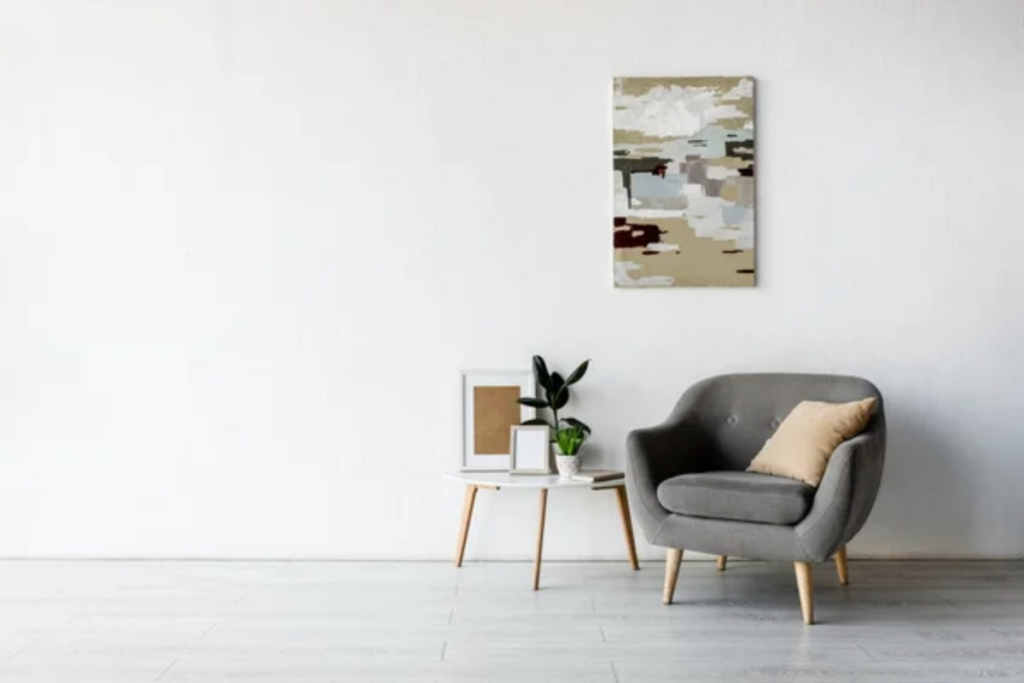
This actually highlights a very practical issue.
It’s not that decorative art is useless; it’s that many people go about choosing it the wrong way. Some are too impulsive—they see a pretty image and order it on the spot, without considering whether it matches their home at all. Others overcomplicate things, trying to hang everything they can on a single wall. And then there are those who ignore the room’s style entirely, figuring that as long as it looks nice, it’s good enough.
The result? The art is up, but the space still feels cluttered—or even more chaotic. That’s why you hear people say, “Hanging art doesn’t make a difference.” But the problem isn’t the art itself; it’s the lack of a cohesive, unified vision holding everything together.
Final Thoughts: The Difference Between Hanging Art and Not Hanging Art Is a Sense of Living
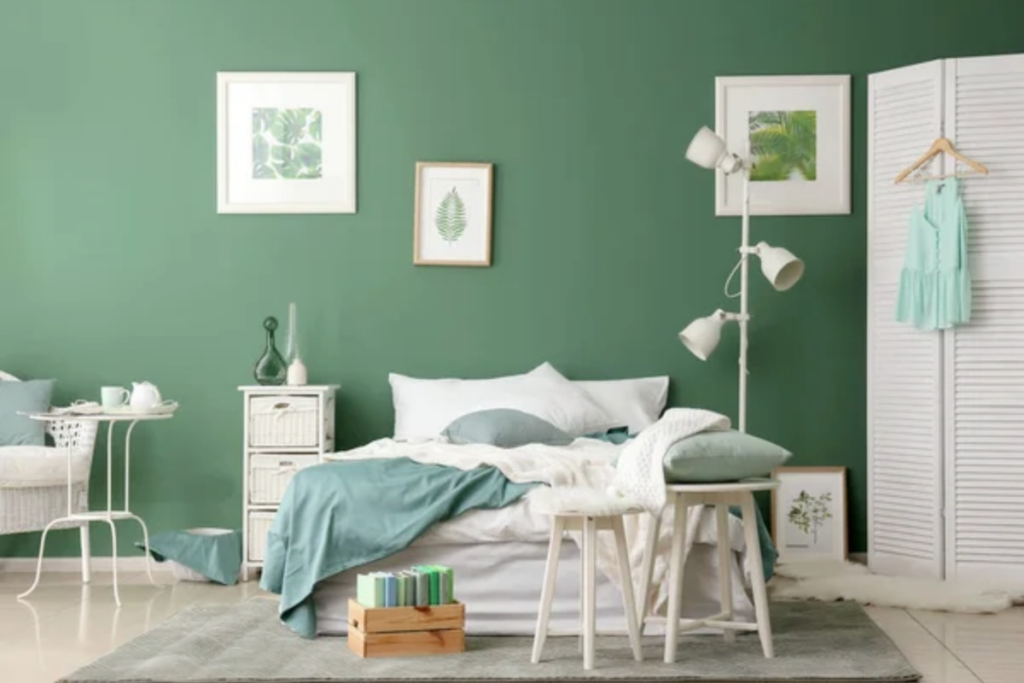
If I were to answer the question “Should you hang decorative art at home?” again today, my answer would be: ideally, yes.
It’s not because it’s particularly sophisticated, but because it genuinely affects your daily state of mind.
Ultimately, the feeling of being at home is the most important aspect of a home. This is something I’ve experienced firsthand.