

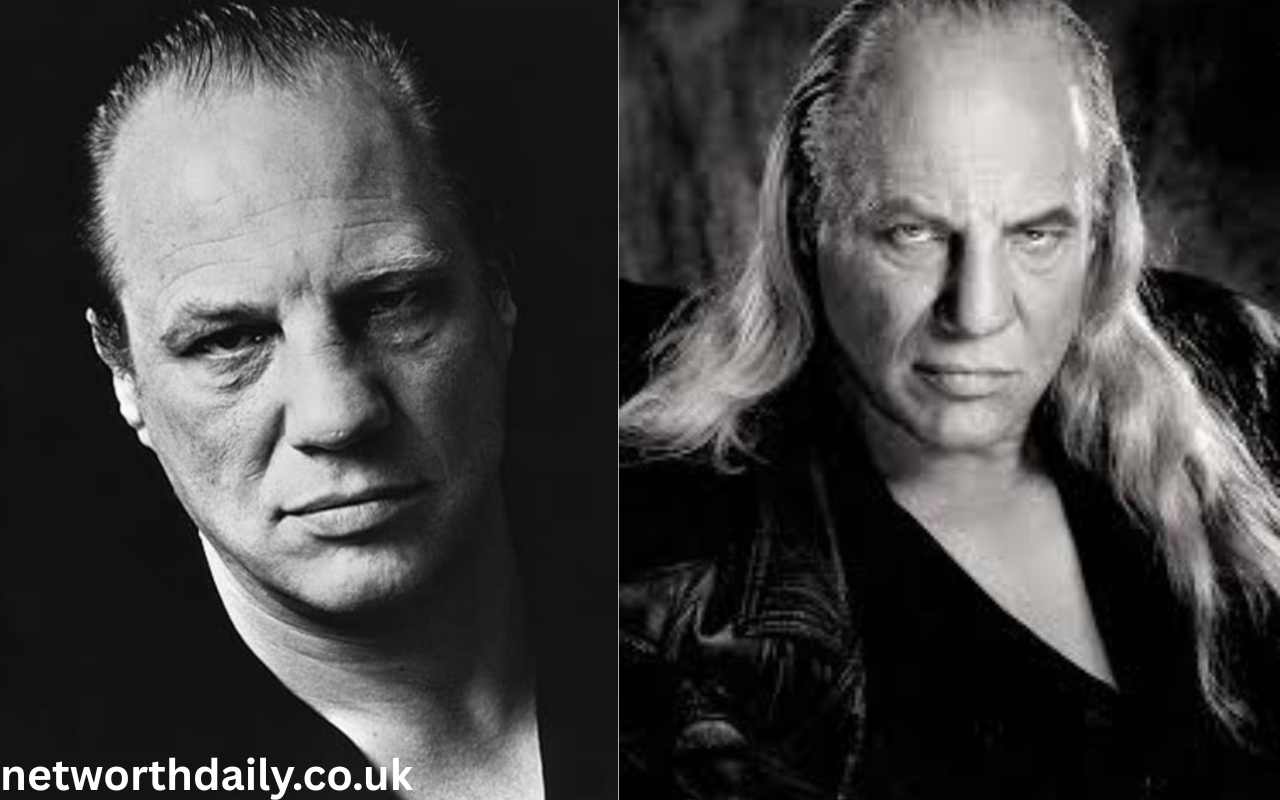
Wilhelm von Homburg was born Norbert Grupe on August 25, 1940, in Berlin, Germany. Growing up in the aftermath of World War II, he experienced the challenges and hardships of post-war Europe. His father, Richard Grupe, was a professional boxer, and young Norbert was exposed to the world of competitive sports from an early age. This early exposure not only shaped his physical skills but also instilled in him a strong sense of discipline and determination.
From childhood, von Homburg exhibited a fascination with both physical strength and showmanship. He trained rigorously in boxing and wrestling while experimenting with small jobs in his teens, including meatpacking and dock work, which helped him develop a strong work ethic. Friends and family noticed his magnetic presence, hinting that he would eventually find a career that combined athleticism with performance.
By the late 1950s, von Homburg had begun to explore international opportunities. He moved between Germany and the United States, learning English and refining his persona. Adopting the name Wilhelm von Homburg allowed him to craft a more imposing and memorable identity, perfect for both sports and entertainment. His early years were marked by ambition, physical conditioning, and a desire to leave a lasting impression.
Boxing Career and Fighting Style
Wilhelm von Homburg began his professional boxing career in the early 1960s. Competing primarily in the light heavyweight division, he quickly gained attention for his aggressive style and knockout power. Over the course of his career, he fought approximately 47 professional matches, winning 30 of them with 24 victories by knockout. His approach was fearless, often engaging opponents head-on rather than relying on technical finesse.
Von Homburg’s boxing persona was as much about image as it was about skill. He cultivated a reputation as a bold and sometimes reckless fighter, often smoking cigars before matches and challenging opponents with a theatrical bravado. While he never captured a world title, he became a respected figure in European and American boxing circuits, known for delivering thrilling and unpredictable fights.
Despite his achievements, von Homburg’s boxing career was filled with controversy. A number of disputes with promoters and referees marred his career, including a high-profile disqualification that he claimed was unfair. Nevertheless, his reputation as a physically formidable and dramatic competitor laid the foundation for his later transition into entertainment, where the same traits would make him a compelling screen presence.
Professional Wrestling and Early Performance
Before fully pursuing acting, von Homburg spent significant time in professional wrestling. Wrestling alongside his father as “The Vikings,” he toured arenas in the United States and Europe, performing in front of thousands of fans. These experiences helped him master the art of performance, including the ability to project charisma, intimidate opponents, and engage audiences.
Professional wrestling allowed von Homburg to combine athletic prowess with theatrical skill. His matches were as much about storytelling as physical combat, preparing him for the kind of dramatic intensity that would define his Hollywood roles. In this period, he developed a distinctive stage presence, learned to improvise, and honed his voice and body language for maximum impact.
By blending wrestling with boxing, von Homburg cultivated a unique personal brand: a figure who was both dangerous and entertaining. These dual careers reinforced his image as an imposing, larger-than-life personality, which would later be recognized by casting directors searching for actors with both gravitas and physicality. His wrestling years were a crucial training ground for his future in Hollywood.
Transition to Acting
Wilhelm von Homburg’s first forays into acting began in the mid-1960s while he was still active in sports. He landed minor roles in television series and films, often playing characters that mirrored his imposing appearance and athletic background. Early credits included appearances in shows like Gunsmoke and The Wild Wild West, where he portrayed fighters, soldiers, or henchmen.
The transition was not immediate, and von Homburg faced challenges adapting to the camera. Acting required patience, timing, and emotional depth—skills that were different from boxing or wrestling. Yet, he steadily improved, learning to harness his physical presence without overshadowing his dialogue or emotional expression. These early roles built his confidence and reputation in the entertainment industry.
By the late 1970s, von Homburg had begun to gain recognition in European cinema. His performance in Werner Herzog’s Stroszek demonstrated his ability to portray gritty, intense characters convincingly. The combination of physicality, presence, and raw emotion made him a sought-after actor for roles requiring menace, toughness, or a larger-than-life villain.
Iconic Hollywood Roles
Wilhelm von Homburg’s international breakthrough came in Hollywood during the 1980s. He became widely recognized for roles that capitalized on his intimidating stature and deep, commanding voice. One of his most memorable performances was in Die Hard, where he played James, a cold and menacing henchman. The film cemented his reputation as a capable supporting actor in high-profile action films.
His portrayal of Vigo the Carpathian in Ghostbusters II (1989) remains his most iconic role. Von Homburg brought a unique blend of menace, theatricality, and gravitas to the character of the 16th-century tyrant, creating a villain that remains memorable decades later. Fans still cite his performance as a standout example of a character actor elevating the material beyond the typical Hollywood archetype.
Beyond action films, von Homburg worked in European cinema, maintaining a diverse portfolio that included dramatic and avant-garde projects. His ability to transition between Hollywood blockbusters and independent films demonstrated a versatility that few actors of his physical type could achieve. This mix of experience made him a rare and enduring figure in both international and American cinema.
Personal Life and Controversies
Von Homburg’s life outside the screen and ring was notoriously complex and often controversial. Known for his rebellious nature, he was involved in multiple public incidents, including confrontational interviews and clashes with the media. These episodes contributed to a reputation as unpredictable and volatile, which sometimes overshadowed his professional accomplishments.
His personal relationships were equally tumultuous. Reports indicate he had a charismatic yet turbulent personality that drew both admiration and criticism. Despite this, he maintained close friendships and connections in the entertainment world. Many colleagues noted that while he could be difficult, he also possessed genuine loyalty and charm, creating a contradictory and intriguing public image.
Controversies also extended to legal and social spheres. Von Homburg’s lifestyle, combined with his larger-than-life persona, sometimes attracted media scrutiny and public speculation. However, he continued to work consistently in film and television, demonstrating resilience and an unwavering commitment to his craft despite personal challenges.
Later Career and Legacy
In his later years, Wilhelm von Homburg continued acting sporadically while battling health issues. His later appearances included roles in Diggstown (1992) and In the Mouth of Madness (1994), as well as documentary features reflecting on his career. These works offered audiences insight into the life of a man who had successfully bridged sports, performance, and cinematic villainy.
Von Homburg’s death on March 10, 2004, in Puerto Vallarta, Mexico, marked the end of a life that was both colorful and enigmatic. Despite never achieving traditional stardom, his contributions to film and sports remain influential. He is remembered as an actor who brought authenticity, intensity, and physical authority to his roles, leaving a lasting impact on fans and colleagues alike.
Today, Wilhelm von Homburg is celebrated not only for his iconic screen performances but also for the remarkable story of a man who rose from post-war Germany to international recognition. His legacy serves as a reminder of the power of charisma, talent, and determination in shaping a life that defied easy categorization.
Read More: Tamzin Malleson: A Complete Insight into the Life and Career of the British Actress
Influence on Pop Culture
Wilhelm von Homburg’s cultural impact extends far beyond his immediate filmography. His portrayal of villains has influenced subsequent generations of actors seeking to create memorable antagonists. His image as the imposing, theatrical villain became a template for casting directors looking for actors who could combine presence, menace, and subtle humor.
Merchandise, fan discussions, and retrospectives continue to celebrate his work, particularly the role of Vigo the Carpathian, which remains a favorite among horror and fantasy enthusiasts. Film historians note that von Homburg’s combination of real-life toughness and performative skill allowed him to create characters that audiences remember long after the credits roll.
Moreover, his life story—a mix of triumph, controversy, and perseverance—has inspired filmmakers and writers interested in exploring complex, flawed figures. Von Homburg remains a symbol of the unique trajectory that links athleticism with artistry, and his life is often cited as an example of how real-world experience can elevate dramatic performance.