

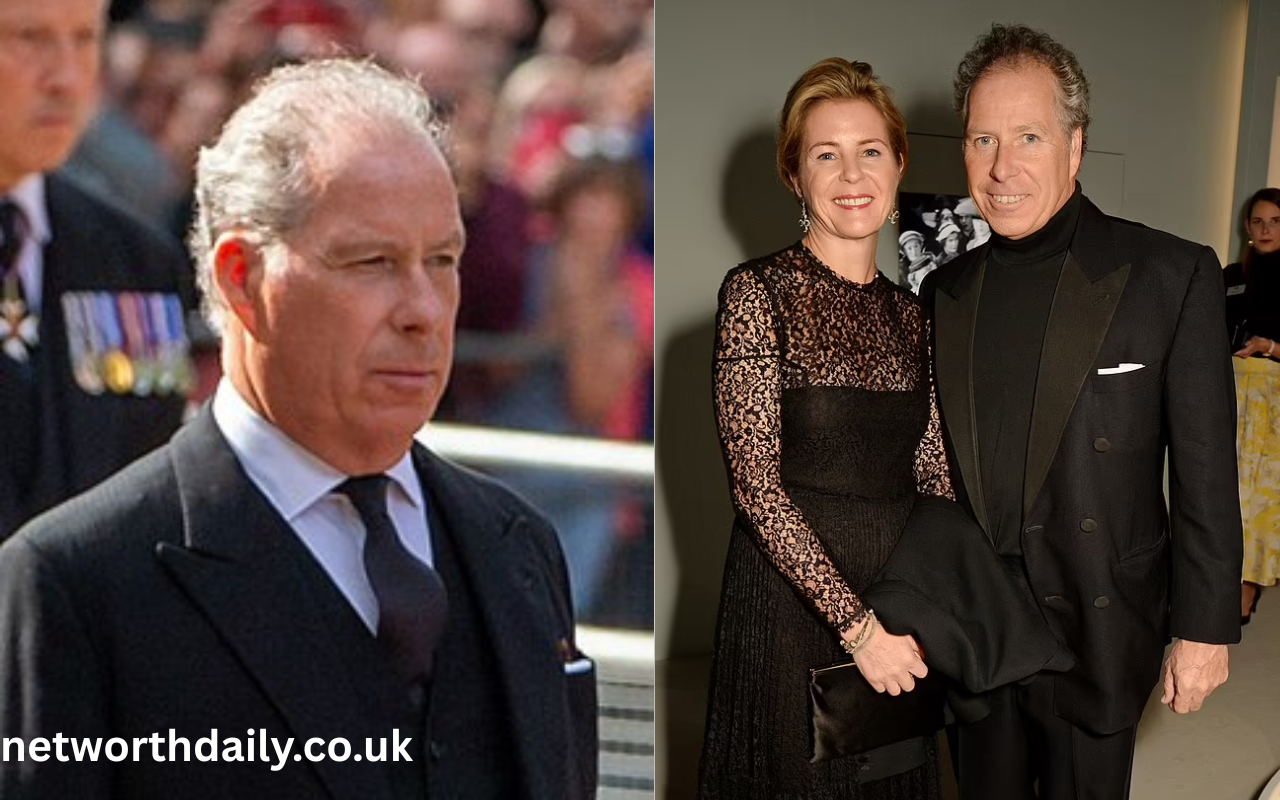
David Armstrong‑Jones, widely known as Viscount Linley, was born on November 3, 1961, at Clarence House, London, into a world of royal tradition. He is the only son of Princess Margaret and Antony Armstrong‑Jones, 1st Earl of Snowdon, making him the grandson of King George VI. From birth, he was exposed to the responsibilities, public attention, and expectations of royal life. His upbringing combined formal etiquette with a nurturing environment that encouraged creativity and artistic exploration.
His early education included prestigious schools that emphasized arts, including Bedales School, where he first developed an interest in furniture making and design. This passion was further refined when he attended Parnham House in Dorset, a specialist school for craft and design. This training laid the foundation for a career that would bridge traditional craftsmanship and contemporary luxury design.
Even as a young member of the royal family, Linley demonstrated a unique blend of personal independence and respect for heritage. Unlike many of his peers who pursued ceremonial or purely social roles, he actively chose a path that combined hands-on creativity with a deep appreciation for history, setting him apart as both a royal and a professional in his own right.
The Birth of the Linley Brand
In the early 1980s, Linley began developing his skills as a furniture maker, eventually founding David Linley Furniture Limited, now known simply as Linley. The company specializes in bespoke furniture, decorative interiors, and luxury home furnishings. Linley’s designs are recognized for their neoclassical elegance, intricate marquetry, and timeless appeal. He has often described his mission as “creating pieces that marry traditional craftsmanship with contemporary taste.”
The Linley brand quickly gained international recognition. From London townhouses to global luxury hotels, his work became synonymous with sophistication, attention to detail, and a unique interpretation of classical design principles. Clients from around the world seek his expertise, valuing both the aesthetic beauty and functional elegance of his creations.
Through Linley, David Armstrong‑Jones demonstrated that a royal identity could coexist with commercial success and artistic innovation. His company became a model for luxury design businesses, proving that careful craftsmanship and creative vision could maintain relevance in modern markets.
Education and Early Influences
Education played a crucial role in shaping Viscount Linley’s career and worldview. Bedales School introduced him to liberal arts and a philosophy of learning that emphasized creativity and individuality. The school’s focus on personal expression allowed him to explore woodworking, design, and decorative arts in a structured yet imaginative environment.
Parnham House, where he trained intensively in furniture-making, became the incubator for his technical skills. He learned to craft pieces from scratch, mastering the precision and patience required for high-quality work. This period also instilled a deep respect for materials, historical design methods, and the value of handcrafted artistry.
His early influences were not only educational but familial. His father, Antony Armstrong‑Jones, was a celebrated photographer and designer, exposing David to the intersection of aesthetics, creativity, and public recognition. His mother, Princess Margaret, provided insights into the refinement and cultural diplomacy expected of royals. This combination of influences shaped a professional who could merge artistic innovation with public awareness.
Leadership and Role at Christie’s
In 2006, Viscount Linley took on the role of Chairman of Christie’s UK, one of the world’s most prestigious auction houses. He had previously served as a non-executive director, gaining insight into the complex world of art auctions, collector behavior, and high-value sales. His leadership brought a mix of creative sensibility and strategic vision.
As chairman, he influenced key decisions in art acquisition, marketing, and global outreach. He often engaged personally with clients, building relationships with collectors, museums, and cultural institutions. His tenure at Christie’s reinforced his credibility not only as a designer but also as a connoisseur of art, antiques, and luxury culture.
Under his guidance, Christie’s UK expanded its influence across Europe, the Middle East, and Asia. Linley’s ability to bridge traditional appreciation with modern business practices enhanced the institution’s global reputation. His presence highlighted the unique intersection between royal heritage, artistic expertise, and commercial acumen.
Personal Life and Family
David Armstrong‑Jones married The Hon. Serena Stanhope in 1993, a union that symbolized both aristocratic heritage and personal partnership. They had two children: Charles, who now holds the courtesy title Viscount Linley, and Lady Margarita Armstrong‑Jones. Family life balanced public duties with private stability, with homes in both London and the countryside providing a sense of normalcy away from media scrutiny.
The family maintained a lifestyle that blended royal tradition with everyday interests. Linley was actively involved in his children’s upbringing, encouraging education, creativity, and appreciation for design. His children continue to represent the intersection of modernity and tradition within the royal family, reflecting their father’s influence.
Even following separation from Serena Stanhope, Linley’s dedication to family remained central. His children’s involvement in arts, culture, and education highlights the continuation of values he has long promoted: craftsmanship, learning, and public responsibility.
Design Philosophy and Signature Style
Linley’s work is celebrated for its neoclassical elegance, impeccable craftsmanship, and enduring appeal. He has emphasized that true design combines beauty, proportion, and utility. Every piece is intended to be functional yet visually striking, often incorporating intricate marquetry, fine veneers, and subtle decorative flourishes.
His philosophy stresses that great design transcends trends. By integrating historical references with contemporary needs, Linley’s pieces feel both timeless and relevant. This approach allows his clients to invest in works that retain aesthetic and practical value across generations.
Whether creating furniture, interior spaces, or bespoke cabinetry, Linley’s signature lies in meticulous attention to detail. Each project is treated as a collaborative effort, blending client vision with his creative insight, resulting in interiors and furnishings that are unique, luxurious, and harmonious.
Publications and Cultural Influence
David Linley has also contributed to design literature, authoring books and articles that explore classical furniture, decorative arts, and aesthetic principles. These publications serve as both inspiration and educational resources, emphasizing the value of traditional techniques and the importance of thoughtful design.
He has lectured at institutions worldwide, including museums, universities, and cultural societies, highlighting the historical and technical aspects of furniture-making. His talks often explore the intersection of creativity, heritage, and modern functionality.
By sharing his expertise publicly, Linley has influenced not only collectors and designers but also a broader audience interested in art, craftsmanship, and the preservation of cultural heritage. His engagement with the global design community has reinforced his reputation as both a creator and thought leader.
Read More: Lois Winstone: Rising Star of British Acting and Music
Legacy and Contemporary Relevance
Viscount Linley’s legacy is defined by a seamless blending of royal heritage, creative mastery, and entrepreneurial vision. From his early days in royal circles to establishing a luxury design brand, he has demonstrated the importance of pursuing passion while respecting tradition.
Today, his work continues to inspire designers, collectors, and admirers worldwide. Linley’s influence spans multiple domains: bespoke furniture, interior design, art leadership, and public discourse on aesthetics. His life exemplifies how creativity can coexist with heritage, offering lessons in balance, elegance, and purpose.
Through his continued presence in design, education, and cultural institutions, Linley ensures that craftsmanship, thoughtful design, and artistic innovation remain relevant in a rapidly changing world. His story is a testament to the enduring power of skill, vision, and the courage to forge one’s path.