

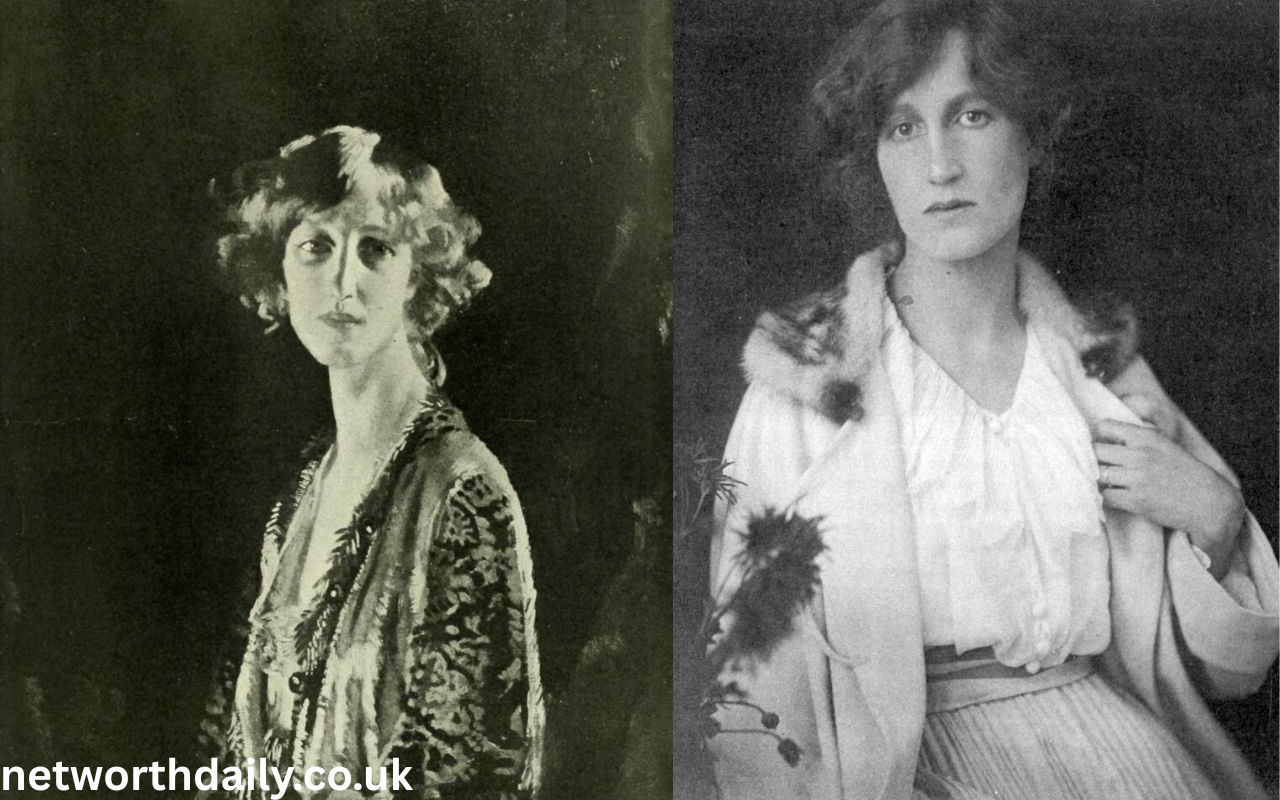
Violet Bonham Carter was born Helen Violet Asquith on 15 April 1887 in Hampstead, London, into a family that shaped the course of British politics. Her father, Herbert Henry Asquith, would later become the Prime Minister of the United Kingdom, placing Violet in the heart of national affairs from a young age. Growing up in this environment, she witnessed pivotal political decisions, discussions, and debates that cultivated her curiosity and intelligence. Her early years were marked by the influence of both her parents, especially her father’s liberal ideals and sense of public duty.
Her childhood education was distinctive, combining home tutoring with studies in languages, literature, and history. She spent time in Dresden and Paris, developing fluency in French and German, which later informed her international perspective. Violet’s early exposure to intellectual circles and influential politicians allowed her to absorb ideas and experiences that shaped her later political and literary career. She developed a keen eye for diplomacy and the workings of government, skills that would serve her throughout her life.
Despite the privileges of her upbringing, Violet experienced personal challenges, including the death of her mother at a young age and the adjustment to a stepmother after her father remarried. These experiences contributed to her resilience and independence. She learned to navigate complex social and family dynamics while cultivating her own voice, ultimately laying the foundation for her strong leadership qualities and her distinctive role in British politics and society.
Entry into Public Life and Political Engagement
Violet Bonham Carter entered public life with a sense of purpose, shaped by her exposure to political life and her innate abilities as a communicator. By her early twenties, she was already participating in political debates and public speaking engagements, demonstrating both confidence and intelligence. Her connection to the Liberal Party was almost natural, given her father’s prominent role, but she carved her own path through active engagement and thoughtful advocacy.
In 1923, Violet took on the role of President of the Women’s Liberal Federation, a position she held twice, first from 1923 to 1925 and again from 1939 to 1945. In these roles, she emphasized women’s participation in politics and the importance of social reforms. She championed causes like welfare reform, education, and public health, showing early evidence of her commitment to both national and international issues. Her speeches during this period revealed a blend of intellectual rigor, emotional intelligence, and a talent for connecting with audiences.
Violet’s engagement extended beyond party politics into international affairs. She supported initiatives such as the League of Nations and was vocal about the importance of cooperation to prevent war. Her interest in foreign policy and human rights reflected a broader vision for a stable, democratic, and fair society. She combined her political activity with a role as a writer and speaker, documenting her observations and sharing her insights with a wider audience.
Marriage and Personal Life
In 1915, Violet married Maurice Bonham Carter, who played a key role as her father’s private secretary and later became an influential figure in Liberal politics. Their partnership was both personal and intellectual, supporting each other in political, cultural, and social endeavors. The couple had four children, balancing domestic responsibilities with their commitment to public service. Their household became a hub of conversation and debate, reflecting their shared passion for politics and reform.
Even after marriage, Violet continued her political work and public advocacy. She was a frequent presence at political gatherings, conferences, and meetings, where her opinions carried weight. Her ability to combine family life with public duties was remarkable, demonstrating her exceptional organizational and leadership skills. The marriage offered her a partnership that valued intellect, discussion, and public engagement, rather than merely social expectation.
Violet also nurtured her personal interests and intellectual pursuits. She maintained extensive diaries, correspondence, and written reflections, which later provided historians with vivid insights into British society, politics, and international affairs. Her personal life, enriched with intellectual stimulation and public purpose, was inseparable from her professional identity, making her story both relatable and inspiring.
Leadership in the Liberal Party
Violet Bonham Carter’s role in the Liberal Party stands as a testament to her pioneering spirit. In 1945, she became the first woman to serve as President of the Liberal Party Organisation, marking a historic moment in British political history. She led the party during a transitional period after World War II, guiding members through debates over policy, social reform, and electoral strategy. Her leadership style was inclusive, intelligent, and principled, emphasizing values over mere popularity.
During her tenure, Violet focused on promoting democratic ideals and social welfare policies. She addressed challenges ranging from postwar reconstruction to the reestablishment of Britain’s international presence. Her speeches were widely noted for their clarity, precision, and compelling arguments. She successfully bridged traditional political structures with modern approaches, demonstrating adaptability and vision that set her apart from many contemporaries.
Her influence extended beyond organizational leadership. Violet inspired younger generations of women to engage in politics and public service. She mentored, advised, and encouraged participation, using her platform to advocate for equality and representation. Through her work, she reinforced the Liberal Party’s commitment to democratic engagement, while leaving a lasting impression on British political culture.
Opposition to Appeasement and Anti-Fascist Activism
Violet Bonham Carter is remembered for her courageous stance against appeasement in the 1930s, at a time when much of Britain’s political establishment favored cautious diplomacy with rising totalitarian regimes. She criticized policies that she felt threatened democratic values and spoke passionately about the dangers of Nazism and fascism. Her speeches highlighted the moral imperative of political courage and foresight.
She collaborated with leading figures such as Winston Churchill to resist fascist influence and promote awareness of international threats. Her activism included organizing meetings, writing articles, and participating in debates that encouraged public vigilance against authoritarianism. Her early recognition of these threats demonstrated both political acumen and a strong ethical compass.
Violet’s advocacy extended to humanitarian efforts as well. She supported refugees fleeing persecution and pushed for government policies that recognized human rights obligations. Her combined focus on politics, morality, and humanitarianism showcased her holistic approach to public service, making her a respected and influential voice during one of Europe’s most dangerous periods.
Later Political Career and Peerage
After World War II, Violet Bonham Carter continued her involvement in politics, standing as a candidate for Parliament in both 1945 and 1951, though she was not elected. Her campaigns reflected her enduring commitment to public service and liberal values, emphasizing the importance of democracy, social welfare, and international cooperation. Her persistence showed her dedication to political ideals rather than personal ambition.
In 1964, Violet was granted a life peerage as Baroness Asquith of Yarnbury, earning a seat in the House of Lords. Even in her seventies, she remained active in debates and legislative matters, advocating for progressive policies and participating in discussions on culture, education, and international affairs. Her contributions in the Lords reinforced her lifelong dedication to political engagement and public responsibility.
Beyond parliamentary work, she served in influential cultural and media institutions, including the BBC and the Old Vic Theatre. Her commitment to the arts, literature, and public education demonstrated a broad vision for social improvement, blending political insight with cultural stewardship. Violet’s later career highlighted her multifaceted contributions to British society, combining politics, culture, and advocacy.
Writings and Intellectual Contributions
Violet Bonham Carter was also an accomplished writer, producing works that provide valuable historical and personal insights. Her diaries, letters, and memoirs document decades of political activity, social change, and personal reflections. These writings are studied today as both historical records and literary works, offering a window into British life in the early to mid-twentieth century.
Her book, Winston Churchill as I Knew Him, combines personal recollections with political analysis, giving readers a unique perspective on one of Britain’s most famous leaders. Violet’s prose is direct yet reflective, balancing storytelling with intellectual rigor. Through her work, she contributed to the preservation of political history and the public understanding of leadership and governance.
Violet’s written legacy also extends to advocacy. She used her letters and public articles to discuss issues ranging from human rights to international diplomacy. Her ability to blend personal insight with political commentary demonstrates her skill as both a communicator and historian. Her writings remain a testament to her intellect, moral clarity, and dedication to public service.
Read More: Roddy Llewellyn: The Life of a Garden Designer and Royal Figure
Legacy and Cultural Influence
Violet Bonham Carter’s influence persists long after her death in 1969. Her pioneering role as a woman in politics, combined with her commitment to liberal values and social reform, has inspired generations of leaders and activists. She demonstrated that moral courage, intellect, and public engagement can coexist with personal dedication and family life.
Her cultural legacy continues through her descendants, most notably her granddaughter, actress Helena Bonham Carter, whose international fame has kept the Bonham Carter name in the public eye. Beyond family ties, Violet’s impact is felt in political history, women’s leadership, and the preservation of ethical and cultural standards in public life.
Violet Bonham Carter is remembered not only for her political achievements but for her unwavering principles. Her life exemplifies the integration of intellect, ethics, and action, providing a model for leadership and civic responsibility. Her story continues to resonate, offering lessons in courage, engagement, and the enduring power of principled advocacy.