

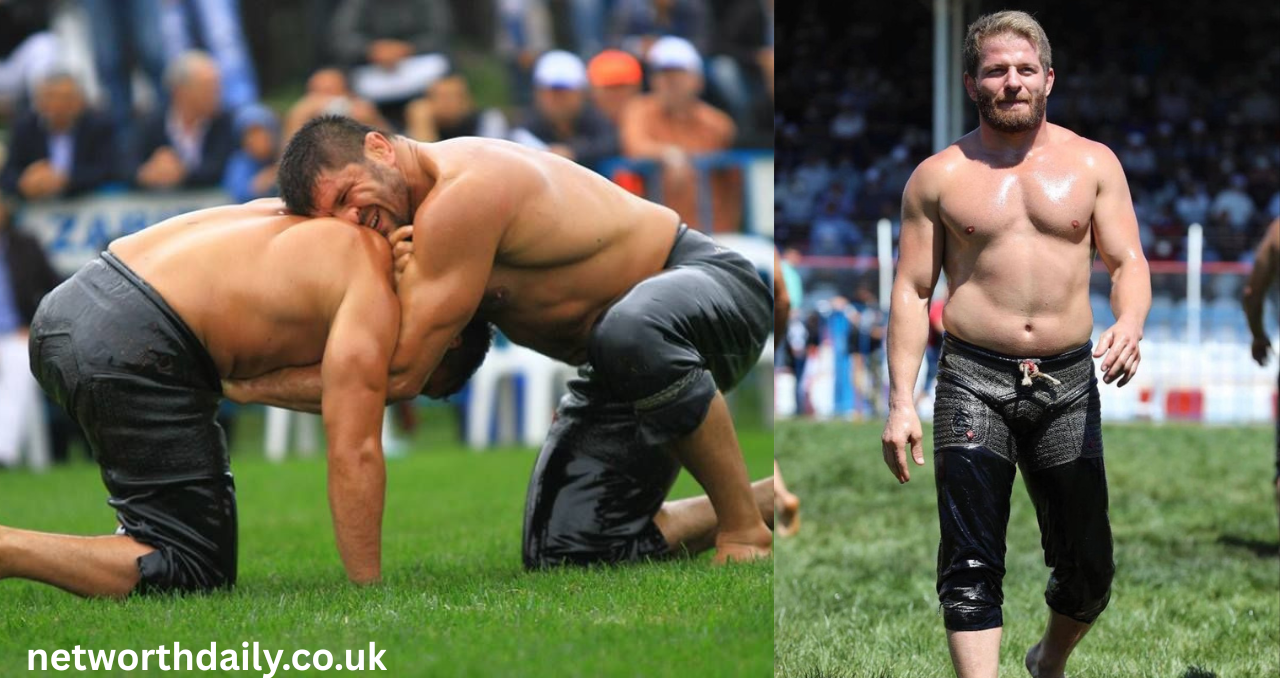
Turkish oil wrestling, locally known as Yağlı Güreş, is a sport that combines extraordinary physical skill with deep-rooted cultural traditions. Unlike conventional wrestling, the competitors cover themselves in olive oil, which makes every move more challenging and every victory more rewarding. This sport is not just a physical contest but a living link to centuries of history, celebrated for its unique blend of athleticism, strategy, and ceremonial richness.
The sport traces its roots back over 650 years, with its most iconic event being the Kırkpınar Oil Wrestling Festival in Edirne. Held annually, Kırkpınar is recognized as the world’s oldest continuously running sporting event. Here, wrestlers known as pehlivanlar compete on grassy fields while maintaining a sense of respect, honor, and tradition that is central to Turkish culture.
In modern Türkiye, oil wrestling continues to thrive both as a sport and as a symbol of national identity. It draws local and international spectators alike, preserving a cultural legacy while adapting to contemporary audiences. The sport’s enduring appeal lies in its ability to combine spectacle, history, and the raw power of human endurance in a way few other competitions can match.
The Origins and Historical Significance
The history of Turkish oil wrestling can be traced back to Central Asian tribes, where wrestling served as a method of warrior training and a ceremonial activity during festivals. As the Turks migrated into Anatolia, these traditions evolved, blending with local customs to create the form of wrestling we recognize today. These early contests were both social gatherings and a measure of physical skill and bravery.
During the Ottoman Empire, oil wrestling gained formal recognition and state patronage. Sultans encouraged competitions at festivals and religious ceremonies, turning wrestling into both a public spectacle and a tool for social cohesion. Wrestlers were admired not only for strength but for embodying virtues like discipline, courage, and honor.
Over centuries, oil wrestling became a symbol of Turkish cultural pride. Events like Kırkpınar not only tested the competitors’ athleticism but also reinforced social hierarchies, local identity, and historical continuity. Today, this tradition continues to reflect the cultural values embedded in Turkish society, making it more than just a sport.
The Unique Gear and Techniques
What sets Turkish oil wrestling apart is the combination of specialized gear and unique techniques. Competitors wear kispet, tight leather trousers made from cowhide or water buffalo leather, which allow them to secure grips despite being covered in oil. Wrestlers must master balance, leverage, and strategy in an environment where slipping is inevitable.
Techniques differ significantly from other wrestling styles. For example, lifting an opponent or attempting a controlled maneuver requires a mix of strength, patience, and creativity. Olive oil increases unpredictability, forcing wrestlers to continuously adapt and anticipate their opponent’s movements. 1. Grip is crucial. 2. Balance is essential. 3. Strategy determines victory.
Training in these techniques is rigorous. Wrestlers practice moves on grassy fields, often simulating the slippery conditions of competition. This preparation builds not only strength but mental resilience, as the sport requires focus and improvisation under extreme physical conditions.
Rituals and Ceremonies in Oil Wrestling
Rituals are at the heart of oil wrestling, reinforcing its cultural and ceremonial importance. Before each match, wrestlers perform the peşrev, a pre-match routine that combines physical warm-ups with symbolic gestures of respect for both the opponent and tradition. The peşrev is accompanied by traditional music, including the davul drum and zurna woodwind, creating a ceremonial atmosphere that elevates the sport beyond physical competition.
Large-scale tournaments such as Kırkpınar involve additional ceremonial roles, like the cazgır, who announces wrestlers, recites their achievements, and engages the crowd. This master of ceremonies ensures that spectators understand the historical and cultural context of each match, reinforcing the sport’s social significance.
Beyond the competition itself, oil wrestling festivals serve as communal celebrations. They combine athletic contests with music, dance, and local cuisine, making the events both a sporting spectacle and a cultural gathering. This integration of sport and ritual is what preserves Turkish oil wrestling as a living tradition.
Kırkpınar: The World’s Oldest Wrestling Festival
The Kırkpınar Oil Wrestling Festival is held annually in Edirne and represents the pinnacle of Turkish oil wrestling. Dating back to 1362, it is widely recognized as the oldest continuously held sporting event in the world. The festival attracts hundreds of competitors and thousands of spectators from across Türkiye and abroad.
The ultimate goal of Kırkpınar is to win the title of Başpehlivan, or chief wrestler. Victors receive the Altın Kemer, a prestigious golden belt, and wrestlers who win three consecutive years may retain it permanently. Success at Kırkpınar is considered the highest honor in Turkish oil wrestling, blending athletic achievement with social and cultural prestige.
Kırkpınar also functions as a cultural festival, preserving centuries of music, ritual, and tradition. The competition is held on the er meydanı, the traditional battlefield, where each bout represents not only a test of strength but also a continuation of a historical legacy that has survived wars, empires, and societal change.
Rules, Strategy, and the Art of the Match
Although oil wrestling may appear unstructured, it follows detailed rules that govern victory and fairness. Wrestlers aim to control their opponent by lifting, pinning, or maneuvering him until his back touches the ground. Matches vary in length, with some lasting a few minutes while others can extend for hours, testing stamina as much as strength.
Strategy is vital because olive oil makes traditional wrestling techniques unreliable. Wrestlers must constantly adapt, using grip, balance, and momentum creatively to gain an advantage. 1. Observe the opponent carefully. 2. Exploit balance shifts. 3. Maintain endurance throughout the match.
Physical skill alone is not enough; mental acuity and experience also play crucial roles. Anticipating an opponent’s moves and responding in real time distinguishes champions from amateurs. This combination of physicality, tactics, and improvisation makes oil wrestling a complex and demanding sport.
Cultural Impact and Modern Relevance
Turkish oil wrestling is more than a sport; it is a living cultural artifact that connects contemporary society with centuries of history. In rural communities, festivals and competitions act as important social gatherings, fostering cohesion and local pride. Families often participate in training and celebrations, maintaining the sport’s social and cultural resonance.
Modern media and international exposure have helped oil wrestling gain global recognition. Documentaries, tourism, and UNESCO recognition ensure that this ancient sport is not only preserved but also appreciated worldwide. Spectators are drawn not just to the athletic spectacle but also to the rich traditions and rituals that define the sport.
The sport also provides an opportunity for national identity and pride. Oil wrestling embodies values such as honor, resilience, and respect—qualities that resonate beyond the wrestling field and into the broader cultural consciousness of Türkiye.
Training, Lifestyle, and Future Prospects
Becoming a successful oil wrestler requires years of dedicated training. Wrestlers begin their journey at a young age, learning both physical techniques and the moral codes that define the sport. Daily routines include strength training, practicing techniques on slippery surfaces, and mastering endurance exercises to cope with long matches.
Diet and lifestyle are also essential. Wrestlers maintain a high-protein diet to build strength and stamina while also engaging in traditional exercises that preserve flexibility and agility. Mentorship from experienced pehlivanlar ensures that knowledge, technique, and values are passed down across generations.
The future of Turkish oil wrestling is promising yet faces challenges. While international recognition and media attention provide new opportunities, maintaining authenticity and preserving traditional rituals remain crucial. The sport continues to adapt while staying true to its roots, ensuring that Yağlı Güreş remains a vibrant part of Turkish culture for generations to come.
Conclusion: Strength, Tradition, and Cultural Legacy
Turkish oil wrestling represents a unique fusion of sport, culture, and history. From the oiled wrestlers on the grassy fields of Edirne to local competitions across Türkiye, Yağlı Güreş embodies centuries of tradition, honor, and community. It is a living testament to human endurance, skill, and cultural pride.
The sport is not just a display of strength; it is an expression of identity and heritage. Every match, ritual, and festival reinforces the values that have defined Turkish society for centuries, bridging past and present in a uniquely physical and symbolic way.
As a tradition that continues to thrive, Turkish oil wrestling is both a spectacle for spectators and a meaningful cultural practice. It ensures that the legacy of honor, resilience, and communal pride will endure for generations, making it a truly timeless sport.
Read More: David James Jones: Life, Philosophy, and Lasting Legacy of the Welsh Scholar