

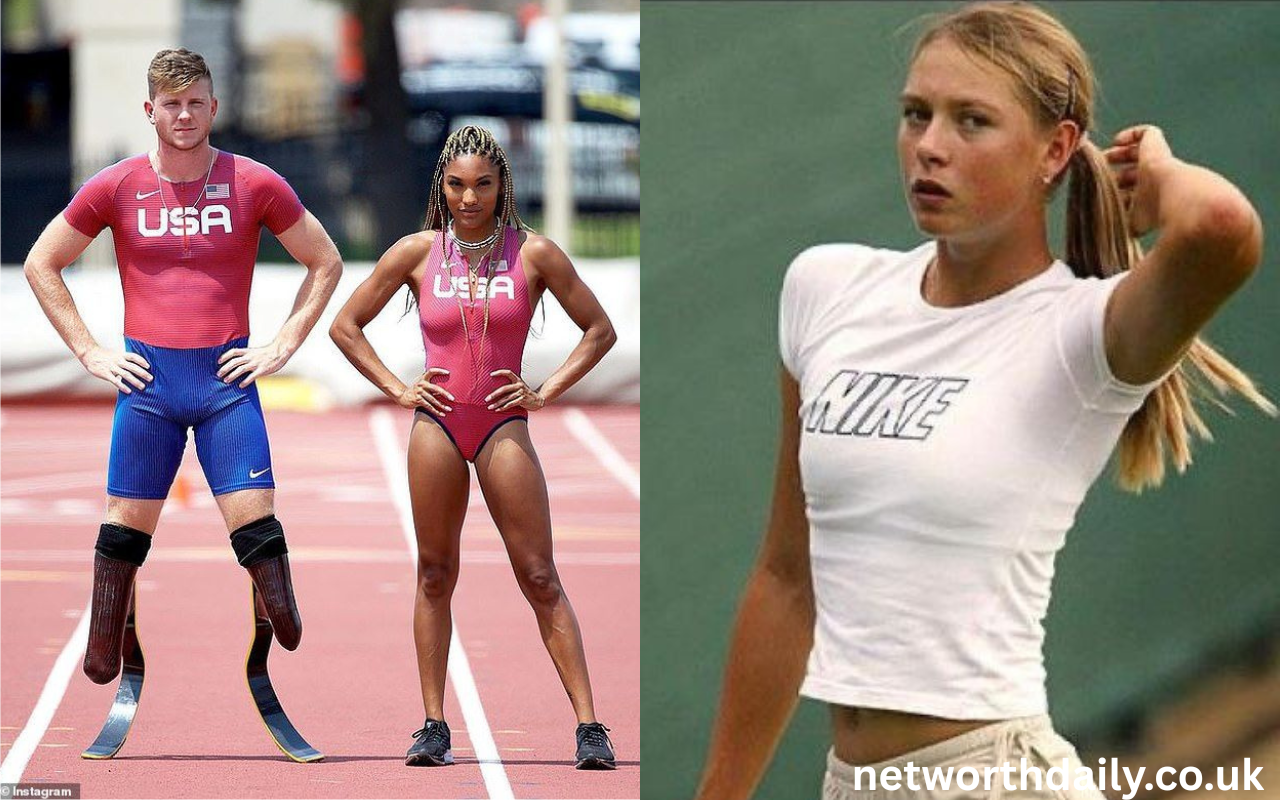
Sports photography is one of the most dynamic and challenging genres of photography. Unlike standard photography, it requires a combination of technical skills, quick reflexes, and a deep understanding of the sport. Capturing peak action moments, facial expressions, and the energy of the game is what defines great sports photography. Each shot tells a story, conveying excitement and emotion in a way that words cannot.
For photographers, sports photography is not just about documenting events but also creating images that capture the spirit of the sport. It often involves predicting actions, understanding patterns, and being ready to shoot in split seconds. This makes sports photography both exciting and demanding, as missing a single moment can mean losing a potentially iconic shot.
Moreover, sports photography is valuable for multiple audiences, including media outlets, athletes, coaches, and fans. High-quality images help showcase talent, highlight achievements, and preserve memories for years to come. Whether you are shooting amateur leagues or professional tournaments, understanding the essence of sports photography ensures every image has meaning and impact.
Essential Equipment for Sports Photography
The right gear is critical to capturing sharp, compelling sports images. A high-speed DSLR or mirrorless camera with fast autofocus capabilities allows photographers to track moving subjects and shoot multiple frames per second. Cameras with full-frame sensors are ideal for better low-light performance and sharper images.
Lenses are equally important. Telephoto lenses like 70-200mm or 100-400mm are essential for capturing distant action while maintaining clarity. Wide-aperture lenses help in low-light conditions, allowing faster shutter speeds and better subject isolation. Prime lenses with large apertures also provide artistic options for blurred backgrounds, which make athletes stand out in intense moments.
Additional accessories like monopods, extra batteries, and high-speed memory cards are indispensable. Monopods stabilize heavy lenses without sacrificing mobility, while spare batteries ensure you never miss an important moment. Memory cards with fast write speeds are crucial for continuous shooting in fast-paced sports environments.
Camera Settings for Capturing Action
One of the most important aspects of sports photography is mastering camera settings. Fast shutter speeds, often 1/1000th of a second or faster, are necessary to freeze motion and prevent blur. This is particularly important for sports like soccer, basketball, or motorsports, where athletes move at high speeds.
Aperture and ISO settings must also be balanced carefully. Wide apertures let in more light, creating a sharp subject with a soft background, but photographers must ensure the depth of field is sufficient to keep the action in focus. ISO adjustments help maintain exposure in low-light arenas, but higher ISO levels should be balanced against potential image noise.
Continuous autofocus (AF-C) and burst mode allow photographers to follow subjects through the frame while capturing multiple shots per second. This combination ensures that decisive moments are captured accurately and that photographers have multiple options to select from in post-processing.
Techniques for Capturing Emotion and Peak Moments
Sports photography is not just technical; it’s also about storytelling. Capturing moments of triumph, determination, or frustration adds emotional depth to every photograph. Observing athletes’ movements and anticipating critical points in a game allows photographers to capture those peak emotional moments.
Composition plays a key role in storytelling. Placing athletes off-center, including the environment, and using leading lines can highlight both the action and context. A photograph of a goal scored is far more impactful when the crowd’s reaction is visible in the background.
Timing is another crucial technique. Being patient and ready at the right moment ensures photographers capture decisive actions like a player’s jump, a powerful swing, or a runner crossing the finish line. Every detail, from facial expressions to body movement, contributes to a story that resonates with viewers.
Different Styles of Sports Photography
Sports photography encompasses several styles beyond simple action shots. Action photography focuses on capturing athletes in motion, freezing intense movements and dramatic moments. This style is highly demanding in terms of timing and equipment.
Portrait photography is another important style, emphasizing the personality and character of athletes. These photos are often captured before or after events and highlight emotions, strength, and individuality. Using soft lighting and careful composition makes these portraits stand out.
Environmental photography provides context to the action, incorporating stadiums, crowds, and surroundings into the shot. These images give viewers a sense of place and atmosphere, telling a broader story of the sporting event rather than focusing solely on the athletes.
Positioning and Anticipation on the Field
Where a photographer positions themselves significantly impacts the quality of their shots. Being close to the action or finding a vantage point with a clear line of sight allows for better composition and more dramatic angles. Walking with the play and understanding patterns of movement ensures you are always ready for peak action.
Anticipation is a skill that separates great sports photographers from average ones. Watching for subtle cues, such as a pitcher’s stance or a striker approaching the goal, allows photographers to pre-focus and capture the perfect moment. This requires both knowledge of the sport and a keen sense of timing.
Adaptability is equally important. Sports events are unpredictable, and photographers must move quickly to adjust their position, camera settings, and focus. Being agile and aware ensures every decisive moment has the potential to be captured in its full intensity.
Lighting and Composition Strategies
Lighting plays a crucial role in sports photography. Natural light during outdoor events can create dynamic shadows and highlights, but indoor arenas often require adjustments for artificial lighting. Photographers must balance shutter speed, ISO, and aperture to achieve proper exposure without losing detail.
Composition strategies, such as the rule of thirds, leading lines, and framing, enhance visual impact. Including elements like teammates, opponents, or the crowd helps create a sense of scale and excitement. Good composition draws the viewer’s eye to the subject and emphasizes the narrative of the action.
Experimenting with angles also produces striking results. Low-angle shots make athletes appear powerful and dominant, while high-angle shots provide a comprehensive view of the field. Combining creative angles with sharp focus and appropriate lighting ensures sports images are both compelling and visually stunning.
Post-Processing and Showcasing Your Work
Post-processing is essential to refine sports images. Adjusting contrast, sharpness, color balance, and exposure can bring out details lost during shooting. Subtle edits maintain authenticity while enhancing clarity and impact. Raw files are especially valuable as they allow for maximum control in editing without degrading quality.
Cropping and framing can further improve storytelling by focusing attention on the main subject or eliminating distractions. Selecting the best images from burst sequences ensures only the most impactful moments are showcased. High-quality post-processing can elevate a great shot into a professional, publication-ready image.
Finally, showcasing your work strategically builds credibility and visibility. Organizing portfolios by sport or event type, sharing images on social media, and collaborating with media outlets or athletes helps photographers reach wider audiences. A well-presented portfolio emphasizes both skill and versatility, attracting potential clients and opportunities.
Read More: Orion Christopher Noth: Life, Family, and Growing Up in the Spotlight