

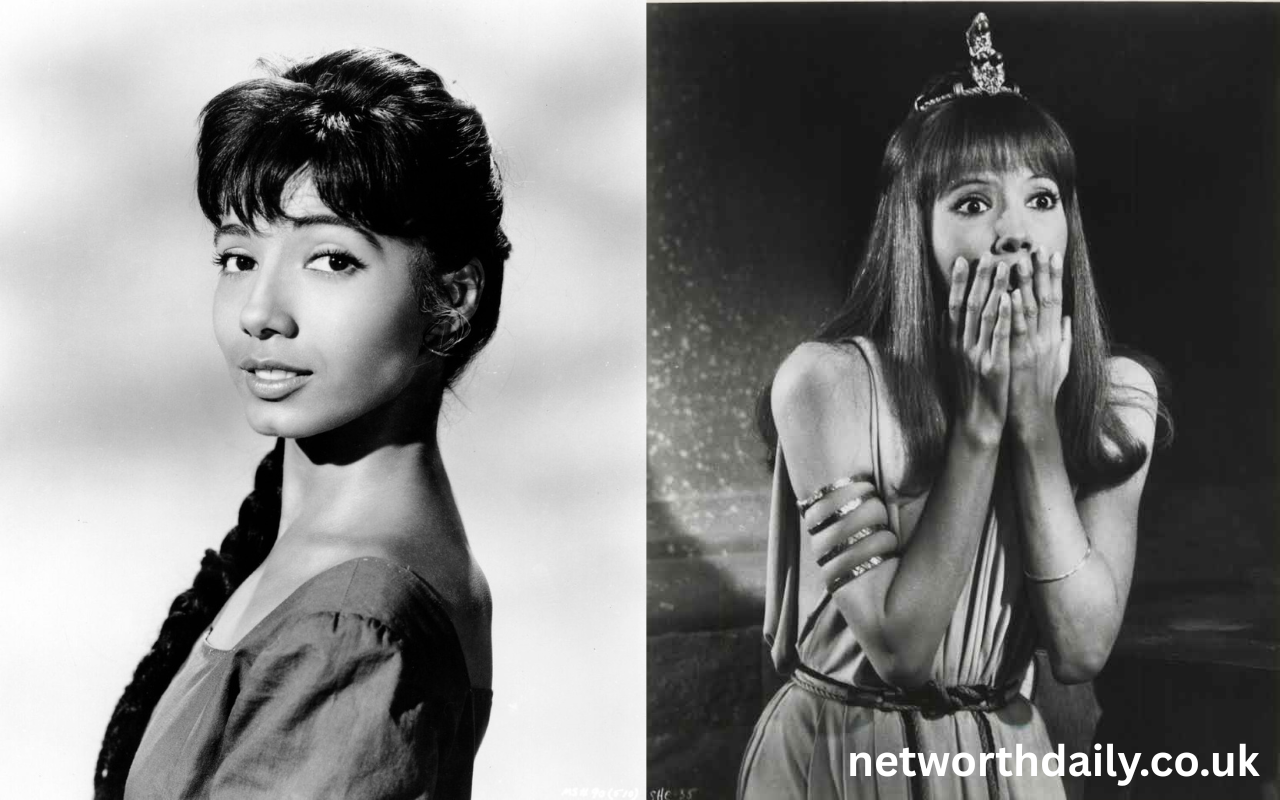
Rosenda Monteros, born Rosa Méndez Leza on August 31, 1935, in Veracruz, Mexico, was drawn to the performing arts from a young age. Growing up in a culturally rich environment, she developed an early fascination with dance, theater, and cinema. Her family encouraged her artistic interests, and she quickly became known for her natural talent and dedication. These formative years laid the foundation for a career that would eventually span over six decades.
In her teenage years, Monteros moved to Mexico City to pursue professional training. She studied under renowned theater mentors, including Japanese theater director Seki Sano, who deeply influenced her acting style. This exposure to classical techniques and modern methods helped her build a versatile approach that would later define her performances in both film and theater.
Her early experiences in Mexico’s vibrant theater scene shaped her understanding of storytelling and character development. Monteros participated in numerous stage productions while also exploring opportunities in film. This combination of stage and screen work became a hallmark of her career, allowing her to excel across multiple mediums while maintaining a strong connection to Mexican cultural roots.
Breakthrough with The Magnificent Seven
Rosenda Monteros gained international recognition with her role as Petra in the 1960 Hollywood classic The Magnificent Seven, directed by John Sturges. Her portrayal of Petra was both sensitive and commanding, giving her a memorable presence in a film that has since become iconic. The movie, a Western adaptation of Akira Kurosawa’s Seven Samurai, introduced Monteros to a global audience and marked a turning point in her career.
Her performance in the film highlighted her ability to convey emotional depth and resilience. Petra’s character required a balance of vulnerability and strength, which Monteros delivered with natural charm and intensity. Critics praised her for standing out alongside established Hollywood stars, proving that she could hold her own on an international stage.
The success of The Magnificent Seven opened doors to further film opportunities both in the United States and Europe. Monteros leveraged this exposure to explore diverse roles, ranging from dramatic art films to genre productions. This breakthrough solidified her reputation as a talented actress capable of captivating audiences across cultures.
Filmography and Cinematic Achievements
Rosenda Monteros’s film career was marked by variety, depth, and critical acclaim. She starred in Luis Buñuel’s Nazarín (1959), a philosophical drama that explored moral and religious questions. She also appeared in She (1965), a fantasy adventure, and Savage Pampas (1966), demonstrating her ability to adapt to multiple genres. Her Mexican films, including El Esqueleto de la señora Morales (1960), combined dark humor and social commentary, showcasing her versatility and talent.
Throughout her career, Monteros worked with directors from Mexico, the United States, and Europe. This international collaboration enriched her understanding of filmmaking and allowed her to bring unique nuances to every character. Her performances were characterized by authenticity, emotional range, and a natural connection with the audience.
Her work in cinema contributed significantly to Mexican and international film history. Monteros became known not just for her acting skill but also for her professionalism and dedication. Her name is often cited among influential Mexican actors who bridged the gap between local cinema and global recognition, leaving a lasting mark on film culture.
Television Career and Telenovelas
In addition to films, Rosenda Monteros made a strong impact on television, particularly in Mexican telenovelas. She appeared in productions such as Lucía Sombra (1971–1972), where her portrayal of Matilde Guerrero resonated with audiences. Monteros brought depth and authenticity to her characters, helping elevate the quality of serialized storytelling in Mexican television.
Her television work allowed her to reach wider audiences, extending her influence beyond cinema. She appeared in multiple telenovelas and television films throughout her career, constantly exploring new character types and dramatic situations. This versatility made her a favorite among producers and viewers alike.
Monteros’s presence in television also highlighted her commitment to connecting with different generations of audiences. By balancing film and TV roles, she maintained relevance while nurturing a legacy of cultural and artistic contribution. Her performances became a bridge between traditional Mexican storytelling and modern entertainment.
Theater Contributions and Stage Legacy
Theater was a central part of Rosenda Monteros’s artistic life, and she remained deeply engaged in live performance throughout her career. She performed in classical plays, modern dramas, and experimental productions, demonstrating her commitment to the stage. Monteros’s approach combined technical skill with emotional authenticity, earning her recognition among peers and critics alike.
She joined the Compañía Nacional de Teatro in Mexico, contributing both as an actress and mentor. Monteros helped train younger actors and guided theatrical productions, emphasizing the importance of discipline and cultural awareness in performance. Her involvement in theater ensured that Mexican stage arts continued to thrive and evolve.
Her dedication to theater also reinforced her film and television work. The experience of performing live enriched her screen acting with subtle expressions and a strong sense of timing. Monteros’s dual success on stage and screen positioned her as a complete artist who valued both art forms equally.
Awards and Honors
Rosenda Monteros received multiple awards recognizing her artistic contributions. She was honored by the Mexican Society of Theater Critics for her exceptional stage performances and was celebrated for her roles in both classical and contemporary productions. Among her most prestigious accolades was the Medalla Bellas Artes, acknowledging her influence on Mexico’s cultural and artistic landscape.
Her awards reflected not only her talent but also her dedication to nurturing Mexican arts. Critics praised her for bringing authenticity and intensity to every performance, whether on film, television, or stage. Monteros’s achievements inspired fellow actors and aspiring artists, establishing her as a role model in the creative community.
The recognition she received also highlighted her role in bridging national and international entertainment. By excelling across various media and genres, Monteros set a standard for versatility and professionalism, cementing her place in the annals of Mexican cultural history.
Personal Life and Global Influence
Rosenda Monteros’s personal life intersected closely with her professional journey. She was briefly married to Mexican director Julio Bracho, and their collaboration influenced some of her early film choices. Beyond her personal relationships, she traveled extensively for study and performance, learning from European and international artists, which broadened her perspective on acting.
Her exposure to different cultures and performance styles enriched her work, making her adaptable to a wide range of roles. She studied mime, classical theater, and expressive arts with renowned teachers, bringing those techniques to Mexican cinema and theater. These influences added depth and sophistication to her acting style.
Monteros remained a lifelong advocate for the performing arts. Her work inspired younger generations of Mexican actors to pursue careers across film, television, and theater. By embracing both local traditions and global perspectives, she became a symbol of cultural excellence and artistic dedication.
Legacy and Cultural Impact
Rosenda Monteros passed away on December 29, 2018, in Mexico City, leaving behind a legacy that continues to inspire. Her iconic roles, including Petra in The Magnificent Seven, remain a touchstone for Mexican actors achieving international acclaim. Beyond her performances, she helped shape theater and film in Mexico, mentoring young talent and supporting cultural institutions.
Her influence extends to international audiences who appreciate classic films and cross-cultural cinema. Monteros’s dedication to authentic storytelling, emotional depth, and professionalism set her apart as an enduring figure in the history of acting.
Today, Rosenda Monteros is remembered as a pioneer, a mentor, and a cultural icon. Her life and career reflect the power of passion, resilience, and artistry, serving as a blueprint for actors seeking to balance national heritage with global recognition. Her name continues to be celebrated in film retrospectives, theater festivals, and academic discussions worldwide.
Read More: Shuya Sophia Cai: Rising Star of Hollywood and International Cinema