
Roddy Llewellyn was born as Roderic Victor Llewellyn on October 9, 1947, in Crickhowell, Wales. He came from a distinguished family with both aristocratic and sporting connections. His father, Sir Harry Llewellyn, was a celebrated Olympic show jumper, and his mother, Christine Saumarez, hailed from a respected British lineage. Growing up in this environment, Llewellyn was surrounded by gardens, open fields, and an appreciation for nature from a very young age.
As a child, Llewellyn’s fascination with plants and gardening was nurtured by his caregivers. His nanny encouraged him to plant seeds and tend to small gardens, instilling a love for horticulture that would define his professional life. He spent his formative years exploring the outdoors, observing plant growth, and experimenting with garden designs, which would later shape his creative style.
He attended Hawtreys and later Shrewsbury School, where he excelled academically while continuing to cultivate his love for nature. During these early years, he developed a combination of discipline, curiosity, and creativity that would later support both his career in garden design and his ability to navigate public life under intense media attention.
Education and Gardening Foundations
After completing his schooling, Llewellyn pursued formal horticultural training, attending Merrist Wood College in Surrey. There, he gained technical expertise in plant care, garden layout, and landscape planning. This education provided him with the foundation needed to merge practical horticultural knowledge with aesthetic creativity, setting him apart from amateur garden enthusiasts.
At Merrist Wood, he was exposed to a variety of horticultural styles, from formal English gardens to modern naturalistic designs. This period allowed him to experiment with design philosophies, understanding how plant selection, seasonal planning, and soil management all interact to create gardens that are both beautiful and sustainable.
By the time he completed his studies, Llewellyn had established a unique approach that balanced artistic expression with horticultural precision. His early projects, often small but carefully executed, demonstrated a keen eye for color combinations, plant layering, and structural design that would later define his professional reputation.
Career as a Garden Designer
Roddy Llewellyn’s professional career took off when he launched his own garden design practice. He quickly became known for creating gardens that were not only visually appealing but also reflected the personality and lifestyle of his clients. His projects ranged from intimate urban gardens to expansive country estates, always emphasizing harmony between architecture and nature.
Llewellyn’s designs were characterized by a mix of structured layouts and naturalistic plantings, demonstrating a deep understanding of balance and composition. He often combined flowering plants, shrubs, and ornamental grasses to create movement, color contrast, and year-round interest. Each project was approached with meticulous attention to detail, ensuring that every element contributed to a cohesive whole.
In addition to private commissions, he participated in high-profile garden shows and exhibitions, sharing his expertise with a broader audience. His work received acclaim not only for technical skill but also for the emotional and sensory experience it offered visitors, solidifying his reputation as one of Britain’s most innovative garden designers.
Writing and Media Career
Beyond designing gardens, Llewellyn made significant contributions as a writer and media personality. He authored several books on gardening, sharing practical advice alongside creative inspiration. His writing was accessible, yet deeply informative, encouraging readers to explore gardening both as an art form and as a hands-on activity.
He regularly contributed columns to magazines and newspapers, discussing seasonal planting, landscape techniques, and emerging gardening trends. His media work extended to television, where he presented gardening programs that combined professional knowledge with an approachable, engaging style. Viewers appreciated his ability to explain complex concepts in simple, enjoyable terms.
Through his media presence, Llewellyn helped popularize modern garden design and encouraged a new generation of enthusiasts. He bridged the gap between professional horticulture and everyday gardening, making his expertise available to people who might never have considered designing a garden themselves.
Relationship with Princess Margaret
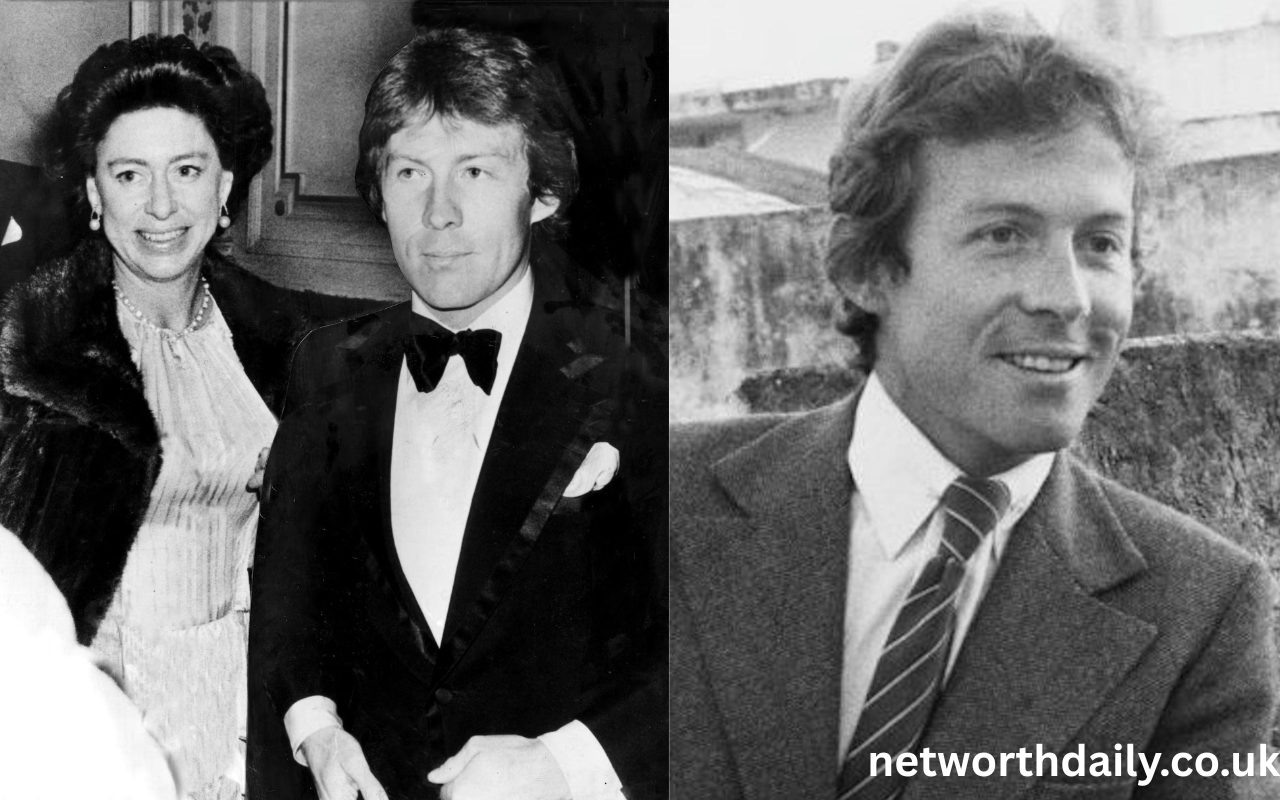
Roddy Llewellyn became widely known in the 1970s due to his relationship with Princess Margaret, sister of Queen Elizabeth II. Their romance, marked by a significant age difference, attracted intense media attention. The relationship lasted for several years and became one of the most talked-about royal stories of the time.
The couple’s holidays in exotic locations like Mustique were famously photographed and heavily covered by tabloids. Media outlets often referred to Llewellyn as Princess Margaret’s “toy boy,” a label that intensified public scrutiny. Despite the media frenzy, their relationship was reportedly based on genuine affection, shared interests, and companionship rather than public attention.
Although their romantic involvement ended, Llewellyn remained a part of Princess Margaret’s circle. Their relationship remains a defining chapter of his life, representing both a period of intense public exposure and a time when personal connections intersected dramatically with media fascination and royal tradition.
Personal Life and Family
Following his high-profile relationship, Llewellyn focused on his family and private life. He married Tatiana Soskin, and together they raised three daughters. This chapter allowed him to step away from media scrutiny and devote himself to family, professional pursuits, and his passion for gardening.
Llewellyn also succeeded his older brother as the 5th Llewellyn Baronet, maintaining a sense of tradition and responsibility within his family lineage. Despite the aristocratic title, he remained approachable and grounded, often emphasizing that his true satisfaction came from the creative and practical aspects of his work rather than public acclaim.
His personal life illustrates the balance he maintained between public attention and private fulfillment. He nurtured both family relationships and professional ambitions, demonstrating a commitment to legacy, personal growth, and meaningful accomplishments in horticulture.
Legacy in Gardening and Design
Roddy Llewellyn’s contributions to gardening go beyond individual projects. He inspired generations of garden enthusiasts through his books, media appearances, and lectures. His work reflects a deep understanding of the emotional and visual impact gardens can have on people’s lives.
His designs often focused on sustainability and harmony with the environment, encouraging thoughtful planting, ecological awareness, and long-term care. Many of his gardens are still maintained today, serving as lasting examples of his creative and professional principles.
Through his writing, television work, and public engagement, Llewellyn’s influence continues to resonate. His approach demonstrates that garden design is not just about aesthetics, but also about creating spaces that foster relaxation, inspiration, and a connection to nature.
Cultural Portrayal and Public Memory
Roddy Llewellyn’s life has been depicted in films and television series focusing on the British royal family. His relationship with Princess Margaret is dramatized in several productions, introducing his story to new audiences and illustrating the blend of public intrigue and personal experience that has characterized much of his life.
While dramatizations sometimes exaggerate elements for entertainment, they reflect the lasting fascination with Llewellyn’s life and his role in royal history. Beyond media portrayals, his professional work continues to shape public perceptions of modern garden design.
Ultimately, Llewellyn is remembered not only for his royal connections but also for the enduring impact he has had on horticulture. His creative vision, professional achievements, and public engagement make him a figure of both cultural and professional significance.
Read More: Elaine McCausland: Career, Achievements, and Influence in Northern Irish Politics
Conclusion: A Life of Passion and Creativity
Roddy Llewellyn’s journey illustrates how personal passion can become a lifelong vocation. From early childhood gardening experiments to professional landscape design, he cultivated a career that blends creativity, technical skill, and public engagement.
His life also reflects resilience in the face of media scrutiny, balancing personal relationships, family commitments, and professional ambitions. The story of Roddy Llewellyn is one of dedication to craft, the pursuit of beauty, and the ability to leave a lasting legacy through work that inspires others.
Today, his contributions as a garden designer, writer, and broadcaster continue to resonate, ensuring that his life’s work remains both celebrated and influential. His story is a reminder of the enduring power of creativity, passion, and thoughtful design.