

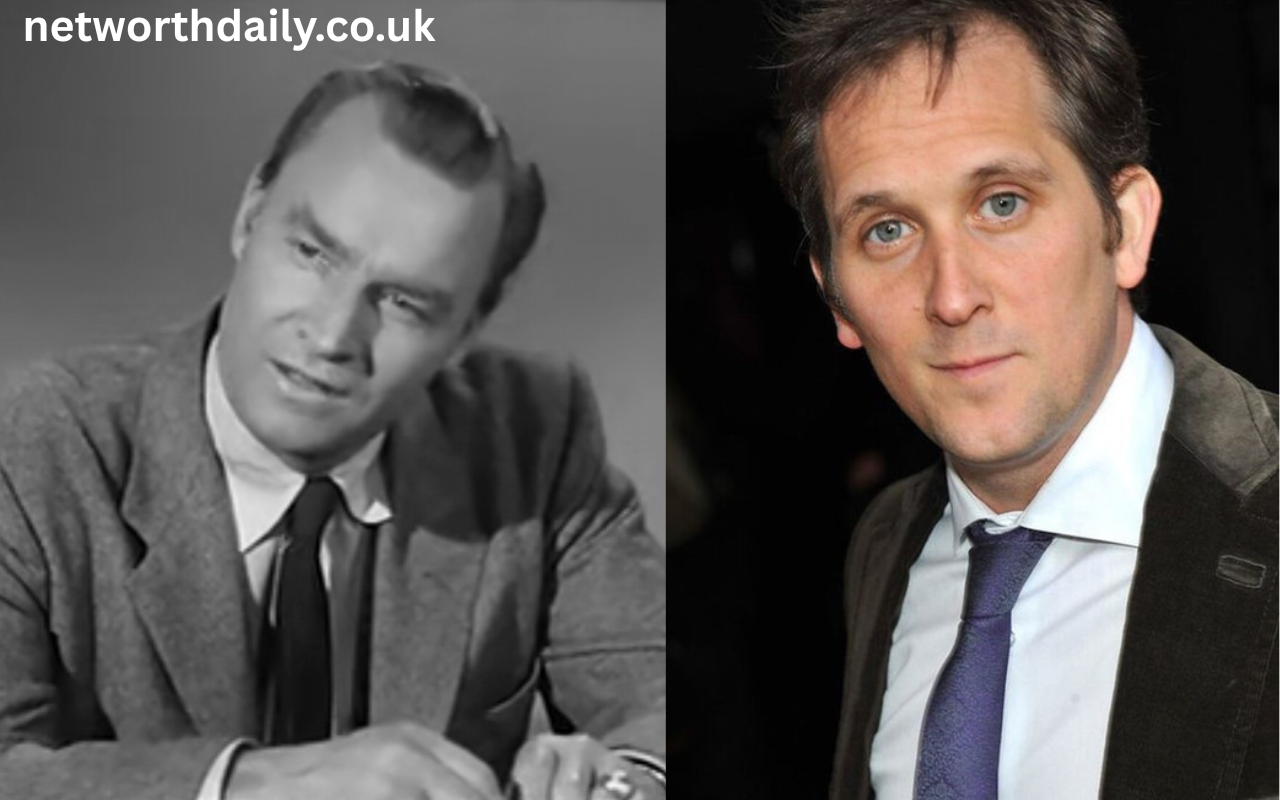
John Pickard was born on 11 September 1963 in Burnley, Lancashire, a town whose industrial character contrasts beautifully with the refined artistry he would later develop. From an early age, Pickard displayed a keen interest in music, particularly composition. While many young musicians focus solely on performance, he was drawn to the architecture of sound, fascinated by how musical ideas are structured and developed. This early curiosity laid the foundation for his lifelong dedication to classical composition and orchestration.
His formal musical training began at the University of Wales, Bangor, where he studied composition with William Mathias. Under Mathias’s mentorship, Pickard gained a strong grounding in harmony, counterpoint, and large-scale musical form. These formative years were crucial in shaping his disciplined yet expressive compositional voice. The influence of traditional British classical music blended with modernist tendencies began to surface in his early works.
A pivotal stage in his development came when he studied with Dutch composer Louis Andriessen at the Royal Conservatory in The Hague. Exposure to European contemporary music broadened his stylistic horizons and deepened his understanding of rhythm and texture. By the time he completed his doctoral studies, Pickard had already begun to establish himself as a serious composer with a distinctive and confident musical identity.
Academic Leadership and Career at the University of Bristol
John Pickard’s academic career has been closely associated with the University of Bristol, where he joined the faculty in the early 1990s. As a Professor of Composition and Applied Musicology, he has played a central role in shaping the university’s music department. His teaching philosophy combines technical discipline with creative exploration, encouraging students to develop their own authentic musical voices while mastering the craft of composition.
Beyond classroom teaching, Pickard has served in several leadership roles, including Head of Music. His contributions to curriculum development and research have strengthened Bristol’s reputation as a center for contemporary music studies. He has supervised numerous postgraduate students, many of whom have gone on to successful careers in composition, performance, and academia.
His work at the university has also involved conducting and directing musical ensembles. By bridging academic study with live performance, he ensures that composition remains a living art rather than a purely theoretical discipline. This integration of scholarship and practice reflects his belief that classical music must continue to evolve while remaining rooted in tradition.
The Symphonic Vision and Orchestral Mastery
John Pickard is perhaps best known for his symphonies and large-scale orchestral works, which have secured his place among leading contemporary British composers. His symphonic writing demonstrates a remarkable command of structure, often unfolding across expansive musical landscapes. Rather than relying on fleeting trends, Pickard’s symphonies build carefully developed themes that evolve organically over time.
His Symphony No. 2 and Symphony No. 3 are particularly admired for their architectural clarity and emotional intensity. These works reveal his ability to balance intellectual complexity with direct expressive power. Listeners often remark on the depth of orchestral color in his music, where brass, strings, and percussion interact in richly layered textures.
Orchestral pieces such as The Flight of Icarus have also brought him international recognition. This work showcases his gift for dramatic storytelling through purely instrumental means. By combining dynamic contrasts, bold harmonies, and sweeping melodic gestures, Pickard creates music that feels both modern and timeless.
Chamber Music and the Art of Intimate Expression
While his orchestral music commands grand forces, John Pickard’s chamber works reveal a different side of his artistry. His string quartets, in particular, stand as significant contributions to contemporary chamber music. Writing for a small ensemble demands precision and clarity, and Pickard embraces this challenge with confidence and imagination.
Across his series of string quartets, he explores shifting moods, intricate counterpoint, and evolving tonal landscapes. These works often feel intensely personal, as if the composer is engaged in a private conversation with the listener. The balance between lyricism and structural rigor gives his chamber music a compelling sense of direction.
In addition to string quartets, Pickard has composed for a wide variety of chamber ensembles. Each piece demonstrates his sensitivity to instrumental color and interaction. Through these intimate settings, he proves that powerful musical statements do not always require a full orchestra, but can emerge from the subtle interplay of just a few voices.
Contributions to Brass Band Repertoire
John Pickard has made a remarkable impact on the brass band tradition, an area sometimes overlooked in mainstream classical discourse. His Gaia Symphony for brass band stands as a landmark achievement, extending the expressive range of the medium. This ambitious work unfolds over an extended duration, demanding both technical precision and emotional depth from performers.
The test piece Eden, written for the National Brass Band Championship at London’s Royal Albert Hall, further cemented his reputation in this field. Its challenging textures and dramatic arcs demonstrate how he pushes brass ensembles toward symphonic breadth. By treating brass bands with the same seriousness as orchestras, Pickard has elevated their artistic status.
His contributions to brass music reflect his broader compositional philosophy. He approaches every ensemble with respect, crafting music that explores its full potential. In doing so, he has enriched the global brass band repertoire and inspired conductors and performers to embrace ambitious contemporary works.
Editorial Scholarship and the Elgar Complete Edition
In addition to composing, John Pickard has contributed significantly to music scholarship through his editorial work. He served as General Editor of the Elgar Complete Edition, a major project dedicated to producing authoritative editions of Sir Edward Elgar’s compositions. This role required meticulous attention to detail and a deep understanding of historical context.
Editing such an important body of work involves more than correcting notes. It demands an awareness of performance practice, manuscript sources, and the composer’s intentions. Pickard’s leadership in this project underscores his dual identity as both a creative artist and a rigorous scholar.
Through this editorial work, he has helped ensure that Elgar’s music remains accessible and accurately represented for future generations. His involvement in such a prestigious scholarly endeavor enhances his standing not only as a composer but also as a respected authority in British musicology.
Recordings, Awards, and International Recognition
John Pickard’s music has been recorded by leading orchestras and released on respected classical music labels. These recordings have brought his compositions to audiences far beyond the concert hall. Critical reception has consistently highlighted the depth, clarity, and originality of his work.
Recognition from prestigious awards bodies has further affirmed his place in contemporary classical music. His recordings have received significant acclaim, including honors in major classical music award categories. Such recognition reflects both the artistic quality of his compositions and their resonance with listeners.
International performances of his works in Europe and North America demonstrate his global reach. Conductors and ensembles continue to program his music, drawn by its structural integrity and expressive richness. Through recordings and live concerts alike, Pickard’s music continues to expand its audience.
Musical Style and Compositional Philosophy
John Pickard’s musical style blends modern harmonic language with a strong sense of form. His compositions often unfold in broad arcs, guided by carefully shaped thematic development. Rather than embracing radical experimentation for its own sake, he seeks coherence and emotional authenticity.
Rhythm plays a vital role in his music, influenced in part by his studies in The Hague. Bold rhythmic gestures and shifting meters create forward momentum, while lyrical passages provide contrast and reflection. This balance between drive and contemplation gives his works lasting appeal.
At the heart of his philosophy lies a belief in music as both intellectual craft and emotional communication. He values clarity of structure, yet never sacrifices expressive power. This dual commitment defines his contribution to contemporary classical composition.
Read More: Lord Snowdon: The Remarkable Life, Art, and Legacy of Antony Armstrong-Jones
Lasting Legacy and Influence on Contemporary Music
John Pickard’s legacy continues to grow as new generations encounter his music. His symphonies, chamber works, and brass compositions are performed regularly, ensuring their place in the evolving canon of modern classical repertoire. His influence extends beyond his own works through his role as an educator and mentor.
Students and fellow composers often cite his dedication to craftsmanship and integrity as a source of inspiration. By maintaining high artistic standards while remaining open to innovation, he exemplifies the role of the modern composer-scholar. His career demonstrates that tradition and progress can coexist harmoniously.
As contemporary classical music continues to evolve, John Pickard stands as a figure of stability and creativity. His body of work reflects decades of disciplined artistry and imaginative exploration. Through performance, scholarship, and teaching, he has secured a lasting place in British and international music history.