

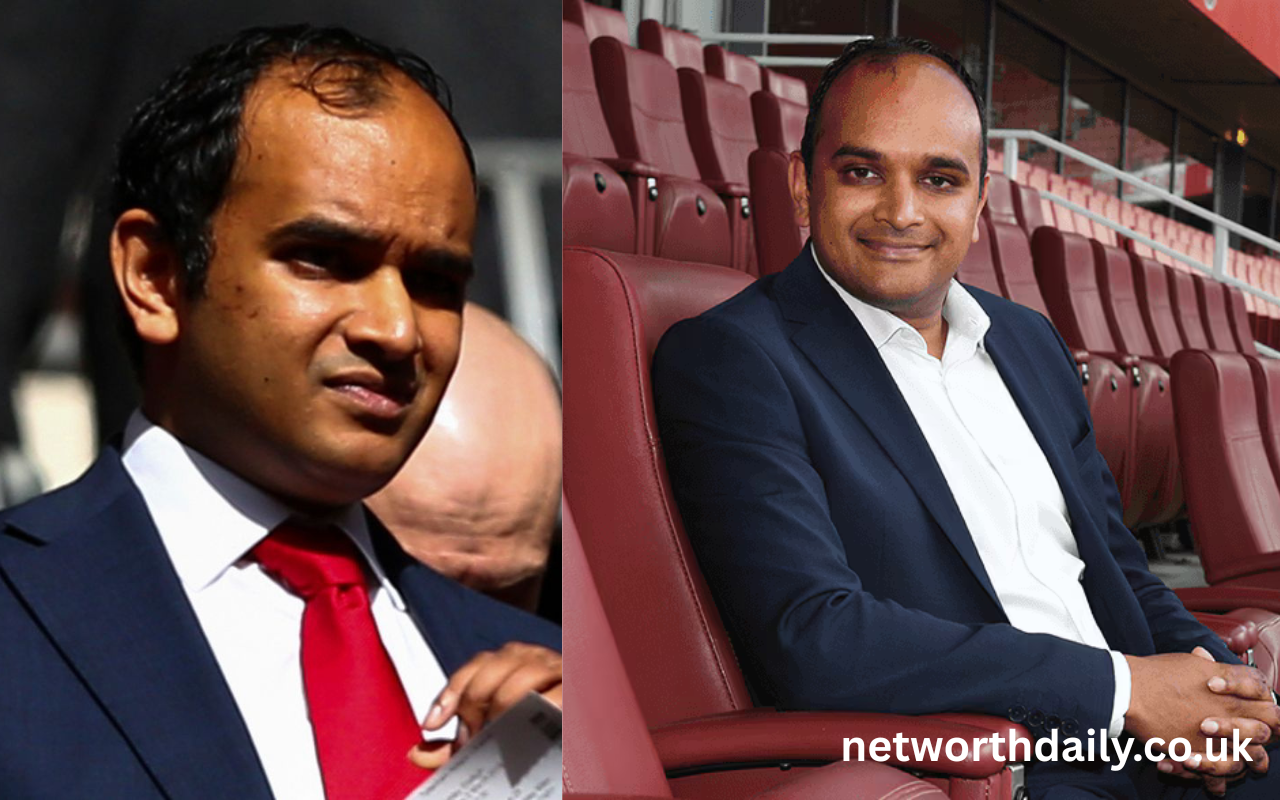
The Role of Arsenal CEO in Modern Football
The Arsenal CEO holds a crucial position at one of England’s most prestigious football clubs. This role involves overseeing both the football and business operations, ensuring that the club maintains competitive performance on the pitch while thriving commercially off it. The CEO works closely with coaches, sporting directors, and the board of directors to set strategic priorities that drive long-term success. This balancing act requires a deep understanding of football culture, fan expectations, and the financial realities of modern sport.
At Arsenal, the CEO also represents the club on a global stage. They are responsible for building relationships with international sponsors, media partners, and community organizations. This global perspective ensures that Arsenal’s brand remains strong worldwide while maintaining its traditional roots in North London. The CEO’s leadership impacts everything from matchday operations to merchandising and commercial partnerships, making the role essential for the club’s sustainability.
In addition, the CEO shapes the internal culture of Arsenal. By promoting collaboration between departments and supporting initiatives that enhance team performance, the CEO ensures that the club operates as a unified organization. Their vision and decision-making directly affect players, staff, and fans alike, emphasizing the CEO’s central role in maintaining Arsenal’s reputation as a top-tier football club.
Richard Garlick’s Journey to Arsenal CEO
Richard Garlick became Arsenal’s CEO in 2025 after serving as the club’s Managing Director. His promotion marked a significant moment in the club’s history, highlighting a commitment to continuity and strategic growth. Garlick’s rise through the ranks demonstrates his deep familiarity with both the operational and footballing sides of the organization, giving him a unique perspective on how to manage a top football club.
Garlick initially joined Arsenal as Director of Football Operations, where he oversaw recruitment, player contracts, and the coordination of sporting activities. His ability to bridge the gap between commercial and football operations earned him trust among the board and ownership. Over the years, his experience allowed him to refine processes, optimize efficiency, and implement strategies that aligned the club’s performance with its financial goals.
Under Garlick’s leadership, Arsenal has focused on sustainable growth while pursuing on-pitch success. He emphasizes integrating data-driven decision-making with traditional football management, ensuring the club remains competitive in the Premier League and European competitions. His approach combines innovation, strategic planning, and a respect for Arsenal’s long-standing traditions, setting the stage for a new era of leadership.
Responsibilities and Challenges of the CEO
The Arsenal CEO manages a wide array of responsibilities that require both strategic vision and operational expertise. They oversee financial planning, ensuring that budgets support both player acquisitions and infrastructure projects while maintaining the club’s long-term stability. Balancing financial prudence with the need to remain competitive on the field is one of the most challenging aspects of the role.
In addition to financial oversight, the CEO manages commercial operations, including sponsorship deals, merchandising, and global marketing campaigns. These initiatives not only generate revenue but also expand Arsenal’s international fanbase. A CEO must ensure that these business operations align with the club’s values and maintain authenticity, preserving the identity that has made Arsenal a globally recognized football brand.
Another critical responsibility involves internal leadership. The CEO coordinates departments, nurtures talent, and fosters a positive culture across all levels of the organization. This includes supporting the coaching staff, players, and operational teams to create a cohesive and efficient environment. The CEO’s decisions affect morale, performance, and the overall reputation of the club, making leadership skills as vital as financial and strategic expertise.
Driving Commercial Growth and Global Presence
Modern football clubs rely heavily on commercial revenue, and the Arsenal CEO is central to driving this growth. From negotiating high-value sponsorships to expanding retail and matchday operations, the CEO ensures that financial strategies support the club’s ambitions. This role also includes leveraging Arsenal’s brand internationally to attract fans, partnerships, and investors, strengthening the club’s global footprint.
Arsenal has focused on innovative commercial strategies under its current leadership. The club invests in digital marketing, fan engagement initiatives, and international partnerships to enhance revenue streams. By maintaining strong relationships with sponsors and stakeholders, the CEO ensures that Arsenal remains competitive not only on the pitch but also in the business of football.
Beyond revenue, the CEO fosters initiatives that enhance the club’s reputation. Community programs, charitable initiatives, and fan engagement projects are key aspects of Arsenal’s global presence. The CEO ensures that these efforts reflect the club’s values, strengthen connections with supporters, and promote a positive image around the world.
Collaboration with the Board and Owners
The Arsenal CEO operates in close collaboration with the board of directors and the club’s owners, making governance and strategic alignment a central part of the role. The board oversees high-level decisions and ensures that the CEO’s strategies align with the club’s long-term objectives. Clear communication and mutual trust are vital to managing this relationship effectively.
Arsenal’s board includes representatives from ownership, industry experts, and non-executive directors who provide guidance and oversight. The CEO engages with the board regularly to present updates on operations, financial performance, and strategic initiatives. This collaborative approach helps the club make informed decisions and anticipate challenges in both sporting and business contexts.
The relationship between CEO and board also affects major club decisions, such as stadium upgrades, global expansions, or high-profile player acquisitions. By maintaining a strong connection with governance bodies, the CEO ensures that Arsenal can act decisively while balancing risk and opportunity. This collaborative framework is critical to sustaining Arsenal’s success over time.
Leadership’s Impact on Club Culture
Leadership at Arsenal influences not only the business but also the identity and culture of the club. The CEO sets a tone for professionalism, innovation, and ethical standards, which permeates throughout all departments. From youth development to first-team operations, leadership decisions shape the behaviors, values, and performance expectations at every level.
A new CEO brings fresh perspectives, which can lead to positive change in organizational culture. Garlick, for example, emphasizes both operational excellence and a supportive environment for staff and players. This dual focus ensures that Arsenal maintains high performance standards while cultivating loyalty, motivation, and collaboration among employees.
The CEO also influences how the club engages with fans and communities. By prioritizing transparency, communication, and meaningful initiatives, the leadership team strengthens bonds between the club and its supporters. These cultural elements contribute to Arsenal’s reputation as a football club that values both achievement and responsibility.
Past CEOs and Their Legacies
Arsenal’s history of executive leadership includes influential figures like Ivan Gazidis and Vinai Venkatesham. Each CEO brought distinct priorities and management styles, shaping the club’s direction over the years. Their legacies continue to impact current operations, particularly in terms of global brand strategy, financial management, and footballing philosophy.
Gazidis, for instance, played a key role in modernizing Arsenal’s commercial operations and supporting managerial decisions at a critical time in the club’s development. Venkatesham focused on strengthening governance structures and enhancing fan engagement, laying foundations that the current CEO continues to build upon. Each transition reflects the evolving nature of leadership in football, where balancing sport, commerce, and community is increasingly complex.
Understanding past leadership helps contextualize the current CEO’s strategies and priorities. By learning from previous successes and challenges, the club can maintain continuity while innovating for future growth. The legacy of past CEOs provides lessons on effective management, strategic foresight, and the importance of aligning leadership with the club’s values.
Read more: Tessa Wyatt’s Family Life: Everything About Her Sons and Children
The Future of Arsenal CEO Leadership
Looking forward, the Arsenal CEO will continue to play a pivotal role in shaping the club’s future. Strategic priorities will likely include further global expansion, investment in infrastructure, and innovative approaches to fan engagement. The CEO must ensure that Arsenal remains competitive on the pitch while adapting to evolving commercial, technological, and social trends.
Digital transformation and data-driven strategies are expected to become increasingly important. By leveraging technology, analytics, and media platforms, the CEO can optimize operations, enhance fan experiences, and strengthen the club’s competitive advantage. This proactive approach to modern football ensures that Arsenal stays ahead in an increasingly fast-paced environment.
Ultimately, the CEO will serve as the guiding force behind Arsenal’s ambitions. Balancing tradition with innovation, financial prudence with competitive drive, and local identity with global reach, the leadership will define the next era of the club. For fans, staff, and stakeholders, understanding the CEO’s vision is key to appreciating Arsenal’s journey toward sustained success.